Efficient Cross-Platform Development
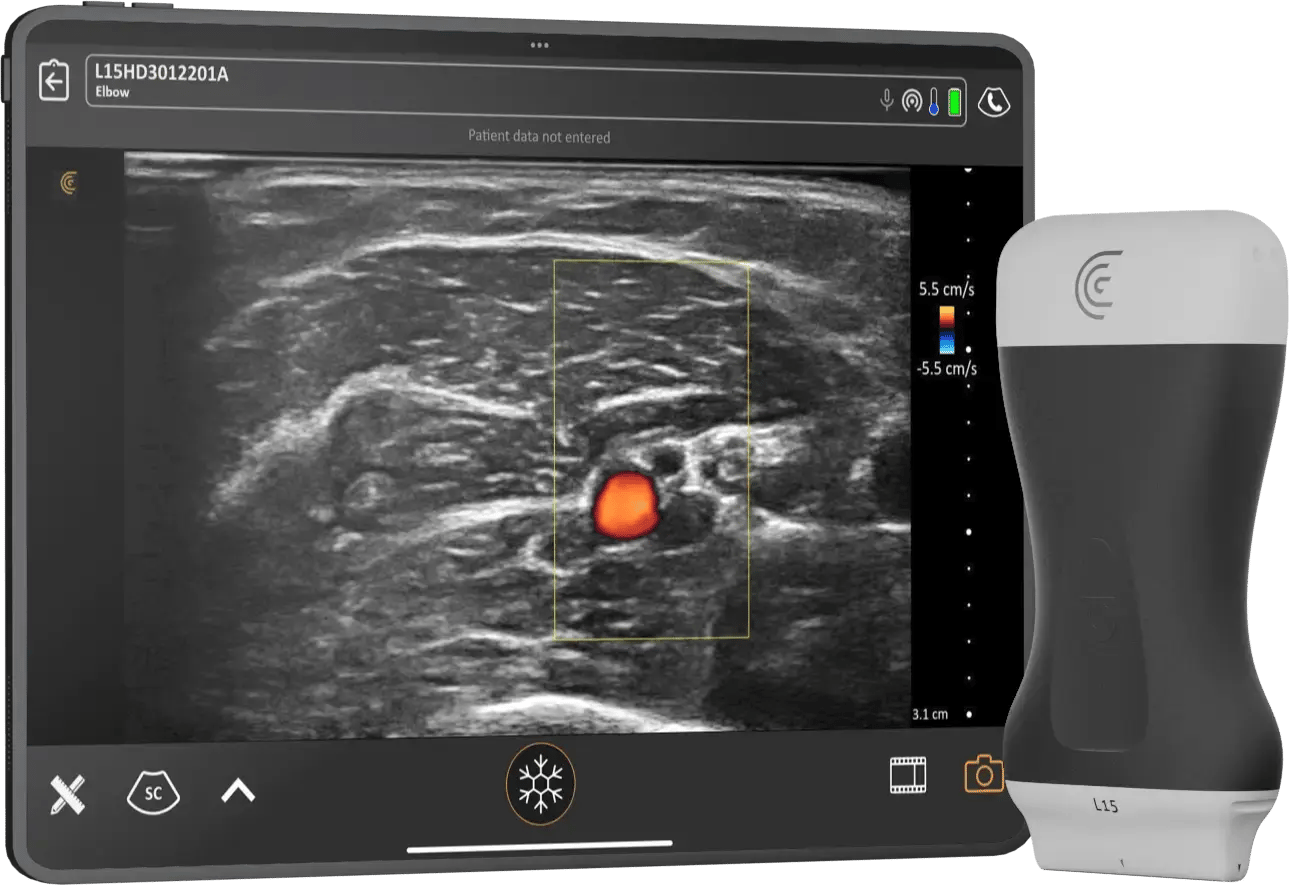
The Clarius ecosystem consists of embedded firmware, a mobile App that runs on Android and iOS, and a cloud-based platform for storage, reporting, and telemedicine. For mobile app development, Clarius selected Qt for the ability to work on a single codebase to deploy a feature-filled, yet intuitive, UI across a variety of platforms.
Only about 1% of our App codebase is native (i.e. Java or Swift/Objective C), meaning we can do a lot with Qt. Kris states.
The team leveraged QML for front-end development from day one, as it allows rapid prototyping, early testing, and quick iterations. The ready-made intuitive and responsive controls cover recurring UX use cases. Thus, as their adoption speeds up development, it also ensures high quality out of the box.
QML runs 100% of our App's front-end, and all our developers use it to prototype and test new UI components and features. He continues.
Ready-Made Functionality
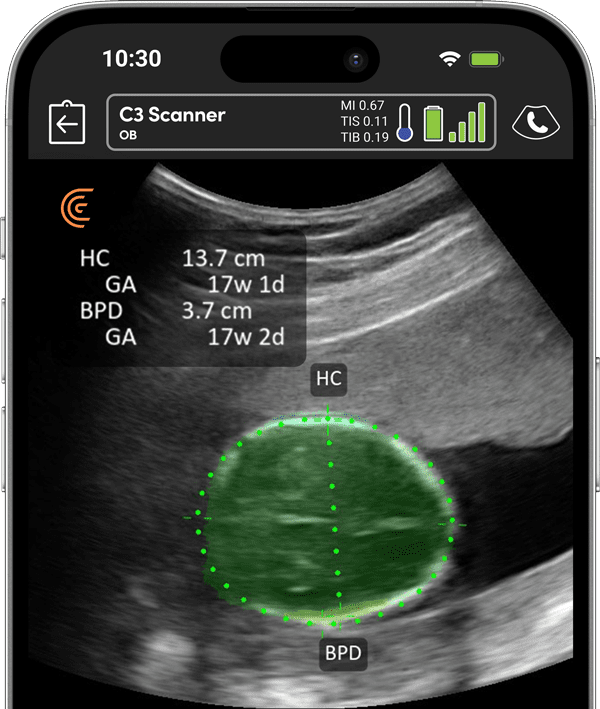
In addition to the ability to develop for multiple target platforms from a single codebase, Qt provides Clarius team with a rich set of ready-made functionalities beyond the UI layer. These include networking and connectivity functionality such as Bluetooth and Wi-Fi support, and cloud connectivity.
We benefited from the baked-in cloud connectivity options found in Qt, enabling connection with AWS using REST APIs and JSON. Says Kris.
In addition to the extensive use of Qt libraries, the ability to integrate with third-party technology is highly valued at Clarius.
We used the Boost C++ libraries for communication between the app and the device, and when setting up our DICOM image formation export functionality. He continues.
Such flexibility and openness to third-party integrations also make Qt suitable for expanding the App ecosystem with latest tech innovations, like AI.
Smart and Effective Ultrasound Scanning
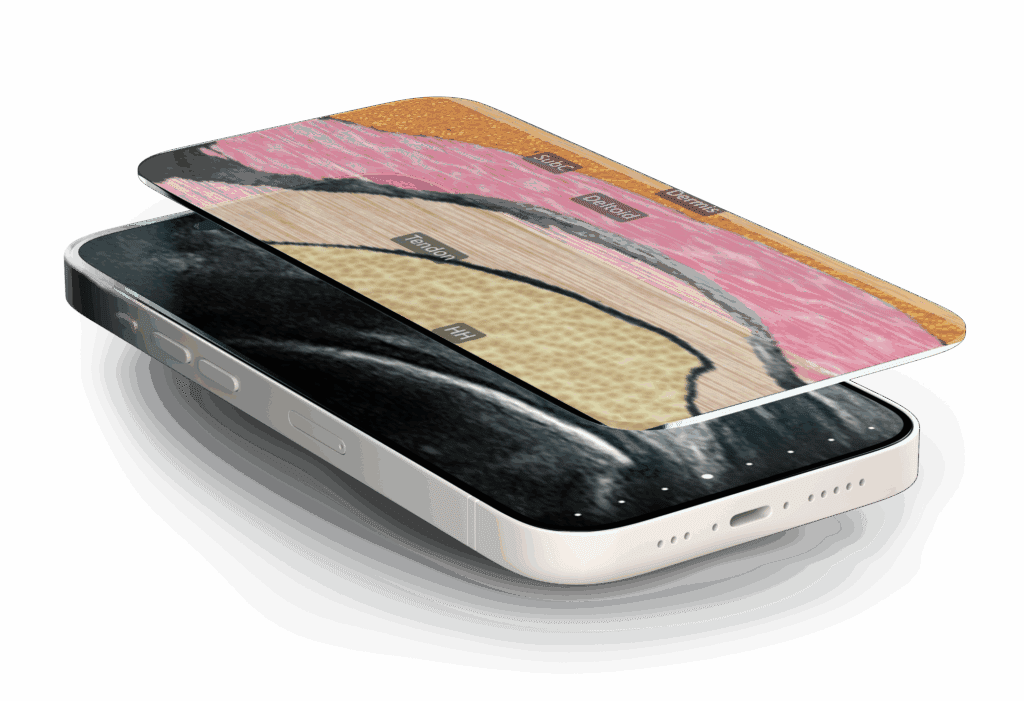
Today, Clarius devices leverage AI to create a smart technology that simplifies scanning, enhances accuracy, and speeds up decisions.
Clarius develops, trains, tunes, and deploys all of our AI in-house. Here Qt is foundational for us, as it provides a framework for some important steps in our AI workflow. Says Kris.
Clarius' team uses QRhi extensively for the development and deployment of their Smart Health AI solutions. QRhi, Qt Rendering Hardware Interface, is Qt's internal graphics abstraction where 3D APIs, such as OpenGL, Vulkan, Metal, and Direct 3D, are involved. By abstracting over the underlying graphics APIs, QRhi allows leveraging multiple GPU backends without the need for platform-specific code. As writing platform-specific shader code is a complex and time-consuming task, the time saving by using Qt is estimated in the order of thousands of hours.
Concretely, Qt acts as the UI and rendering framework that manages how the ultrasound feed and the AI overlay are displayed together on screen:
Qt renders our AI images and outputs either on top of or alongside the ultrasound. We utilize OpenGL and shader code, and Qt integrates well with these technologies to provide a seamless interface. He continues.
Additionally, Qt connectivity libraries provide secure access to the AI models stored in the cloud.
We use Qt Framework's network modules and classes to download our AI models from our cloud using a secure REST API. Says Kris.

About Clarius
Clarius sold their first wireless handheld ultrasound scanner in December 2016. Since then,more than 40,000 devices have been sold, covering more than 10 million scans. Clarius' next-generation product is smaller and offers even better performance thanks to feedback from our customers and advancing technology.
Oh, there's more
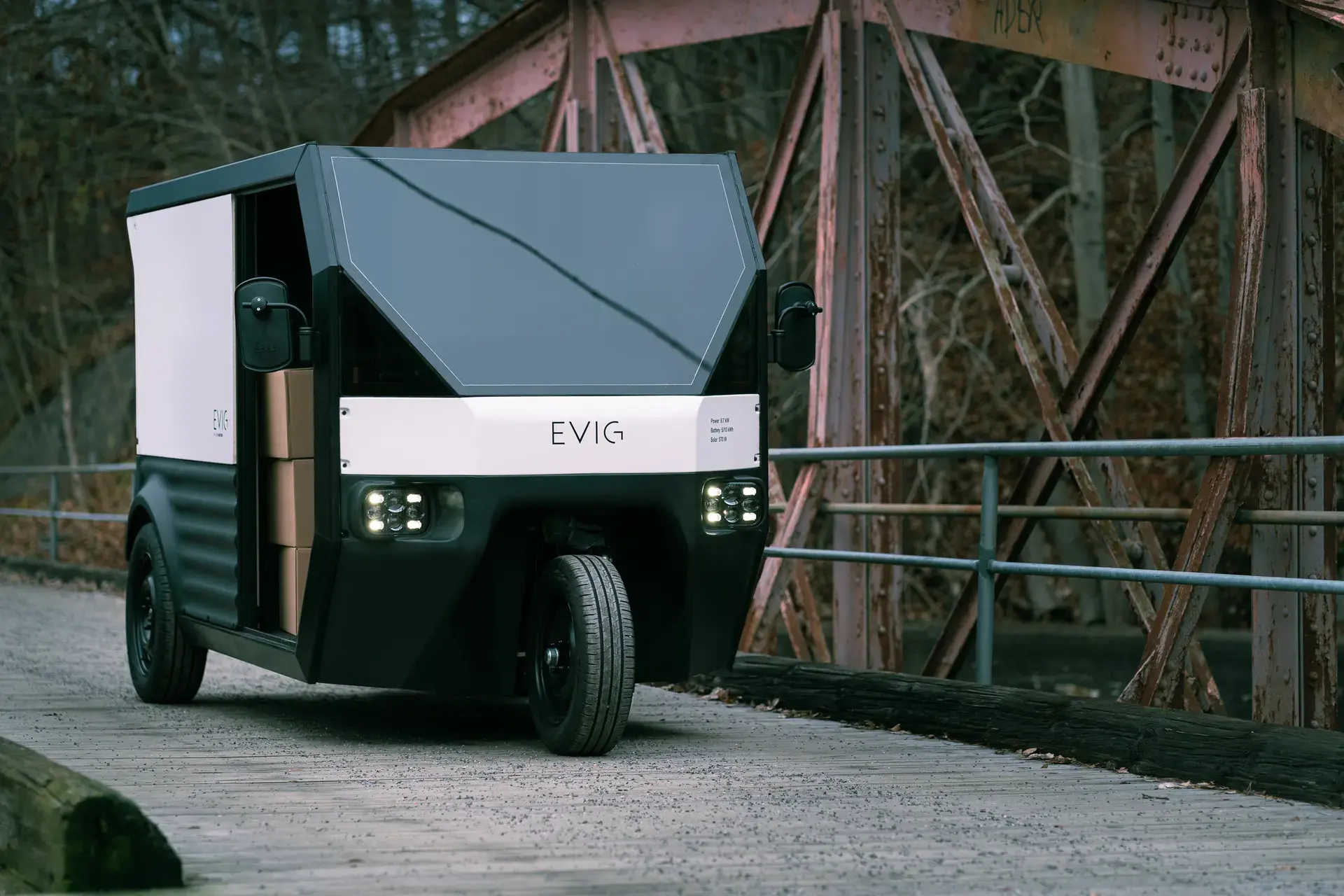
CLEAN MOTION | Built with Qt
Learn how Qt Professional Services helps the Motor Vehicle's industry fast-track HMI development with out-of-the-box solutions that are deployed in a ...
Read More
Volkswagen | Built with Qt
Desay SV and Volkswagen have selected Qt and Vector to reduce memory consumption by 50% and deliver a superior experience on the 5-inch screen of the ...
Read More
Verge | Built with Qt
Verge has built a superior riding experience on their electric motorcycles, reducing the memory footprint by 85%.
Read More