eBook

Software-Defined Vehicles Need Software-Defined Leaders

A strategic playbook for established OEMs tired of coping with complexity and ready to lead with a software-first mindset.

You are delivering the software-defined vehicles the market demands. But the constant struggle with complex integrations, painful compliance, and costly software recalls proves hardware-first processes are still broken and slowing you down.

This playbook isn't for companies that are failing. It's for technical leaders who know the current cost of success is unsustainable. Learn how to shift to a software-first mindset and discipline, and take ownership of your architecture to eliminate complexity at its source.


No sign-up required


Who This Strategic Playbook Is For:


  • Technical Leaders who recognize that 'coping' with software complexity is a losing strategy.
  • Technical Software Experts who need the strategic framework to justify a shift towards architectural ownership.
  • Decision-makers ready to transform their organization to win the new reality of the automotive industry.

Why Legacy Approaches Fail in the SDV Era


Software-Defined Vehicles (SDVs) replace hardware-centric design with software-defined architectures where automotive software controls both user-facing and safety-critical systems. This shift exposes the limits of hardware-era processes, as software failures drive recalls and fragmented architectures strain the automotive software stack.

qt_car_E_final_66 1

Software issues now drive a significant portion of vehicle recalls.

Miao-Luo-1

When it's time to add new features, the default path has been to just add more siloed ECUs. Each addition makes the entire codebase bigger, more complex, and even harder to update with each model year.

Miao Luo

Director of Technology, Qt Group


Qt_foundation_visual_Productivity_web_2

When software becomes your primary value driver, a new discipline is required, built on reorganizing your entire development approach.


What You Will Master Inside:

Software-defined vehicles function as updatable software platforms, and automotive OEMs that control the critical layers of their automotive software stack own the architecture, the experience, and the competitive edge.


  Reframe the Problem:
Understand why the core challenge is no longer keeping pace, but mastering the immense software complexity you already own. 


Adopt a Software-First Mindset:
Learn how to apply your legacy of engineering excellence to the winning discipline of software development.


The Path to Ownership:
Get the strategic framework for taking control of your architecture and codebase to reduce complexity and accelerate innovation.


A Transformation Roadmap:
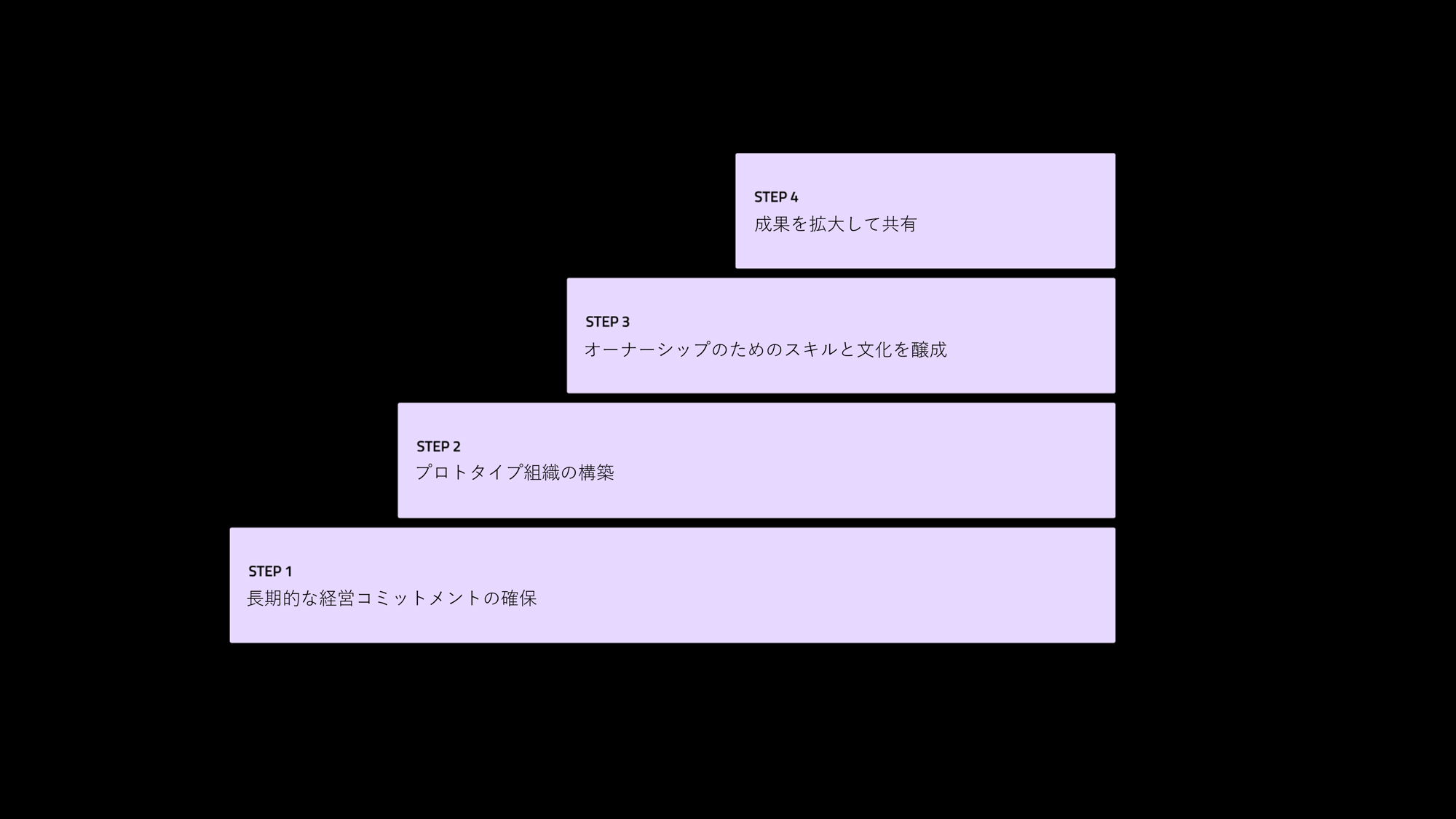
An expert's take on a 4-step progression for organizational change that delivers returns without disrupting operations.


   No sign-up required

Four-Step Roadmap Forward for Automotive OEMs

4 Steps_black

Common Questions About Software-Defined Vehicles

Why are software-defined vehicles changing how OEMs compete?

The eBook explains that SDVs shift competition from hardware cycles to software speed, quality, and architectural control. Software issues now drive a major share of recalls, and fragmented architectures make fixes slower and more expensive. OEMs with clean, centralized architectures can ship OTA and FOTA (Firmware-Over-The-Air) updates in days, while legacy teams may need months.

The eBook also shows that technical debt and undocumented dependencies slow innovation, block service-based revenue models, and make integrating ADAS and AI features far more complex. Without platform-level visibility, OEMs cannot ensure safety, compliance, or protect against emerging cybersecurity risks.

How do OEMs transition from fragmented software processes to SDV-ready platforms?

The eBook explains that automotive OEMs transition by adopting a discipline that reorganizes software development, such as Platform Engineering. Instead of relying on isolated tools and fragmented workflows, Platform Engineering provides a unified engineering platform for automotive OEMs, where quality, architecture, and development operate as a continuous process.

This approach standardizes tools, removes duplicated effort, and creates a consistent environment for rapid feature development—eliminating the need to rebuild foundations for every project.

By shifting from disconnected toolchains to an integrated platform, OEMs directly address the root causes of the “100M-Line Tech Debt”, making it impossible to bypass architectural standards and enabling safer, faster innovation.

What does it mean for an OEM to own the automotive software stack?

According to the eBook, owning the automotive software stack is fundamentally about platform ownership—having control over the critical software layers that define vehicle functionality, user experience, and future capabilities. Platform ownership does not mean building everything in-house. Instead, it means having the architectural authority to integrate, modify, and evolve the software independently of suppliers.

This ownership lets OEMs shape their unique user experience, determine how data is used for ongoing improvements, and deliver updates at their own pace. The eBook emphasizes that when an OEM controls the foundation of the stack, it also controls the speed of innovation and its long-term competitive advantage.

What tools and workflows are required to build a secure SDV software stack?

According to the eBook, modern SDV development requires a secure platform built on two core pillars: a robust development toolchain and a seamlessly integrated quality assurance solution. 

Development Toolchain:
Unit testing in CI, performance profilers, static builds for safety-critical systems, full SBOM visibility, and long-term API-stable support.

Integrated Quality Assurance:
Architecture verification, built-in MISRA/ISO 26262/AUTOSAR compliance, MC/DC code coverage, and integrated GUI, static, and performance testing.

From Qt Group's Customers in Automotive

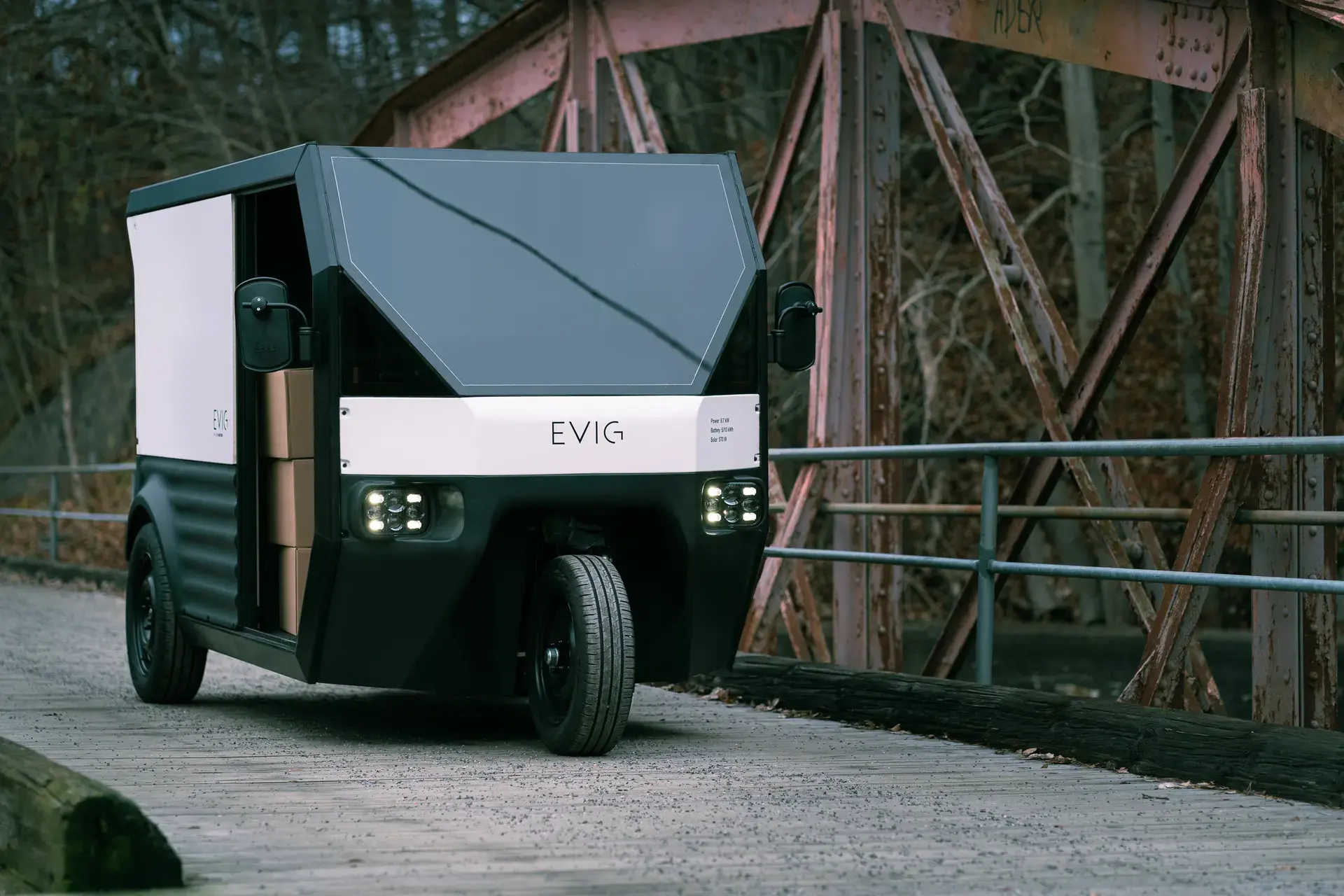
CLEAN MOTION | Built with Qt

CLEAN MOTION | Built with Qt

Learn how Qt Professional Services helps the Motor Vehicle's industry fast-track HMI development with out-of-the-box solutions that are deployed in a ...

Read More
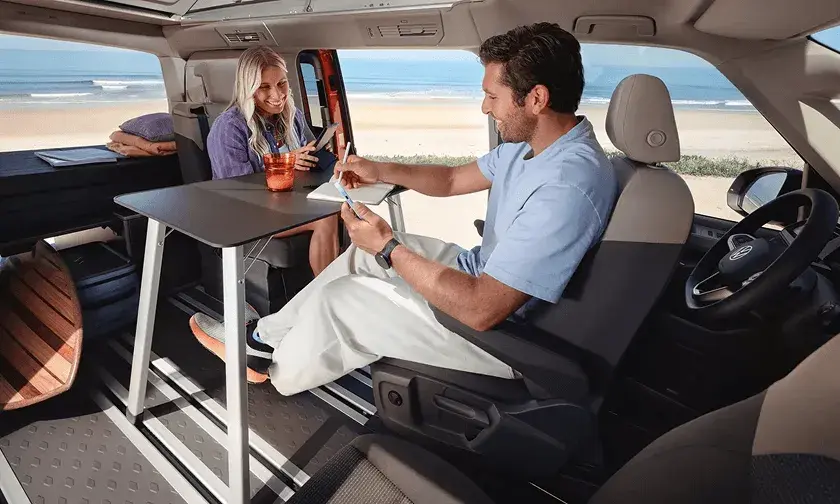
Volkswagen | Built with Qt

Volkswagen | Built with Qt

Desay SV and Volkswagen have selected Qt and Vector to reduce memory consumption by 50% and deliver a superior experience on the 5-inch screen of the ...

Read More
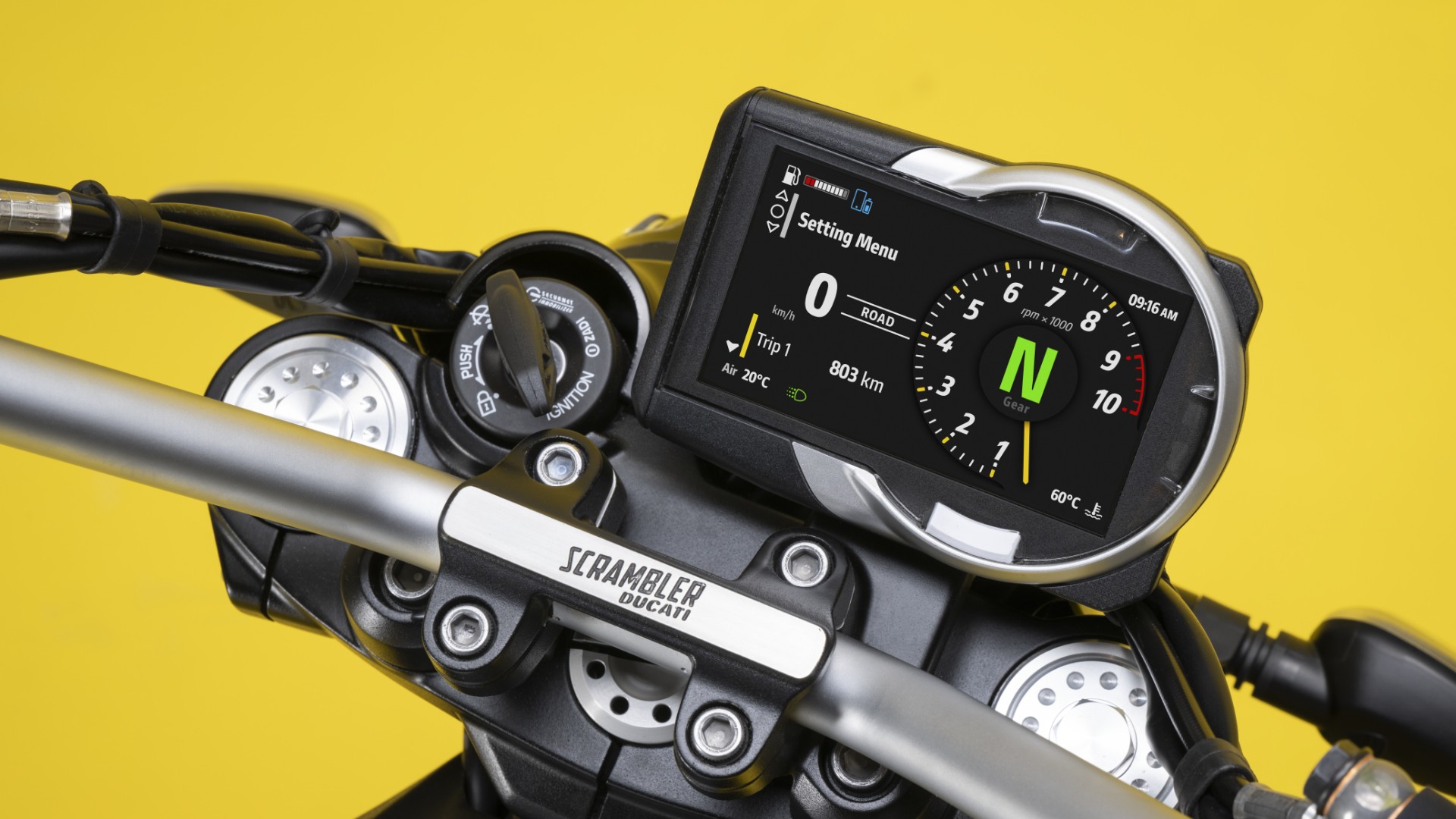
Verge | Built with Qt

Verge | Built with Qt

Verge has built a superior riding experience on their electric motorcycles, reducing the memory footprint by 85%.

Read More
Sauber | Built with Qt

Sauber | Built with Qt

Learn how Sauber uses Qt for rapid implementation of high-performance monitoring applications, pilot training, and advanced aerodynamic research.

Read More
Success Story Apex.AI | Axivion

Success Story Apex.AI | Axivion

Automated Static Analysis with best AUTOSAR C++14 Results

Read More
Success Story Elektrobit | Axivion

Success Story Elektrobit | Axivion

Erosion protection for navigation software in the fast-moving automotive industry

Read More

Qt in Automotive

Manage your software lifecycle and create unique user experiences in your software-defined vehicles, using Qt's end-to-end tools for automotive HMI design, development, testing, and deployment.

Visit Page

Software Quality Solutions for Automotive

Assure quality and safety in your automotive software with a complete solution for automated testing, architectural control, and the auditable proof needed to reduce recall risk and master industry compliance.

Visit Page

More on Automotive Software for Software-Defined Vehicles


The iPhone Moment for Automotive has Arrived. Will OEMs Seize It?

Just as the iPhone redefined mobile through ownership of hardware, software, and services, SDVs are reshaping automotive by making software the center of the experience.

Explore Further


World-Class UX is Built on Quality and Goes Beyond UI

Custom automotive HMIs in SDVs carry integration risks and rising software-related recalls, demanding stronger testing methods to maintain seamless user experiences.

Discover More


Software-Defined Vehicles: Driving the Future with Code

Software-Defined Vehicles mark the shift from hardware-centric design to software-driven architectures, turning cars into updatable platforms where code must be safe, durable, and future-proof.

Read Full Blog


Automotive HMI Frameworks: Driving UX for Software-Defined Vehicles

With vehicles becoming increasingly software-driven, the role of automotive HMI in delivering a safe, intuitive, and engaging experience has never been more critical.

Read Article


How to Optimize Automotive HMI Performance in Software-Defined Vehicles

Automotive HMIs in SDVs must provide seamless, responsive experiences in constrained environments, making software optimization as essential as hardware.

Read Article


What Modern Automotive HMI Graphics Demand in the SDV era

Discover how modern automotive HMIs in software-defined vehicles use advanced graphics to elevate user experience while maintaining safety and compliance.

Read Article