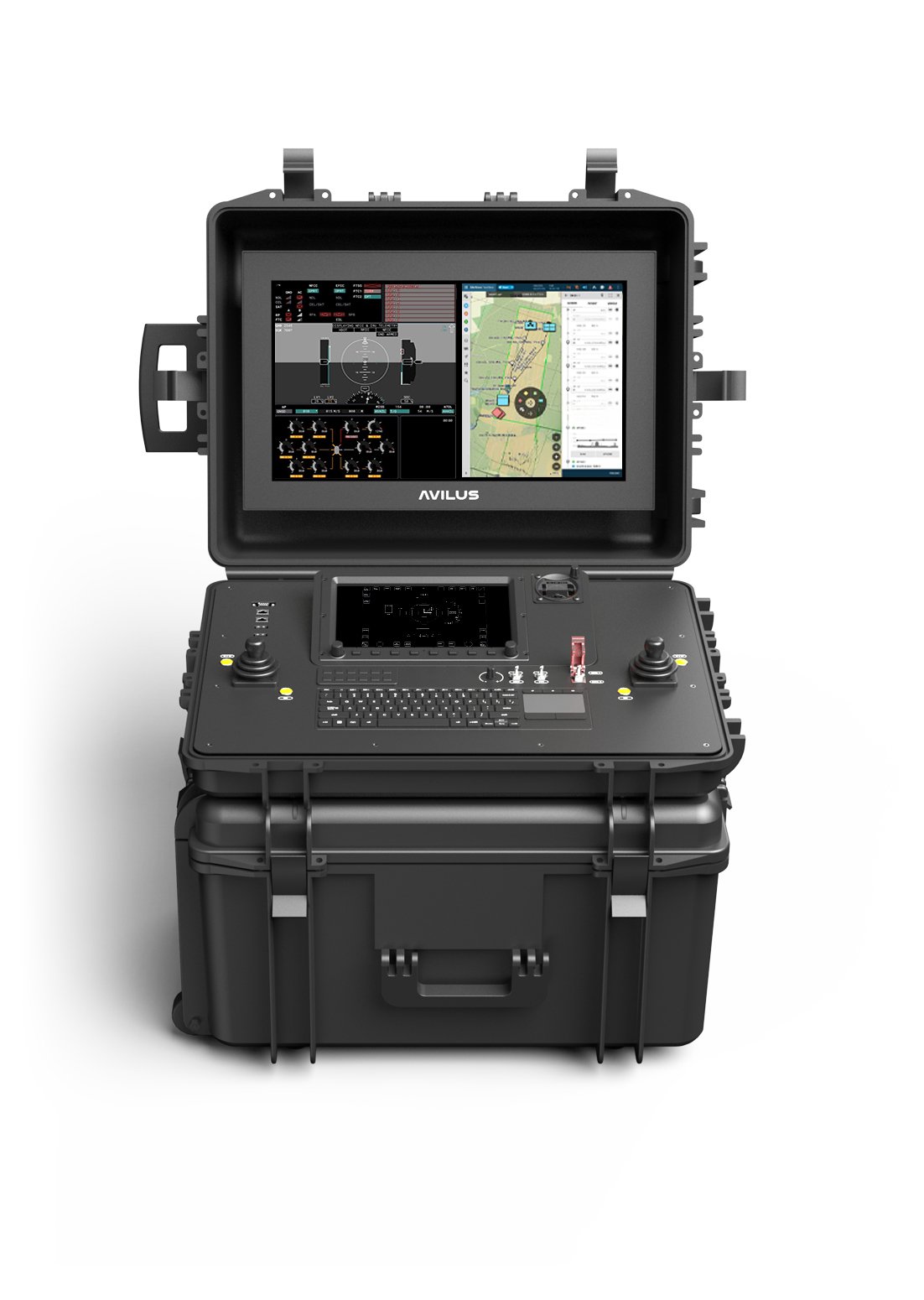
The Operator Interface for Aviation Systems
Building operator interfaces for aviation systems requires that every line of code be traceable to a system requirement. According to Dr.-Ing. Florian Schwaiger, Mission Control Lead at Avilus:
Traceability means that every implementation decision must map cleanly to a certification requirement, since aviation systems are subject to strict approval processes.
Additionally, aviation needs high-performance, high-frame-rate, and low-latency visualizations under real flight conditions.
Low-latency visualization is essential for flight instruments, sensor telemetry, and especially live video feeds for precision landing must reach the operator without any delay added by the framework itself. He continues.
Avilus needed an HMI framework that could meet these demanding requirements at once.
Traceability and Code Transparency in Qt
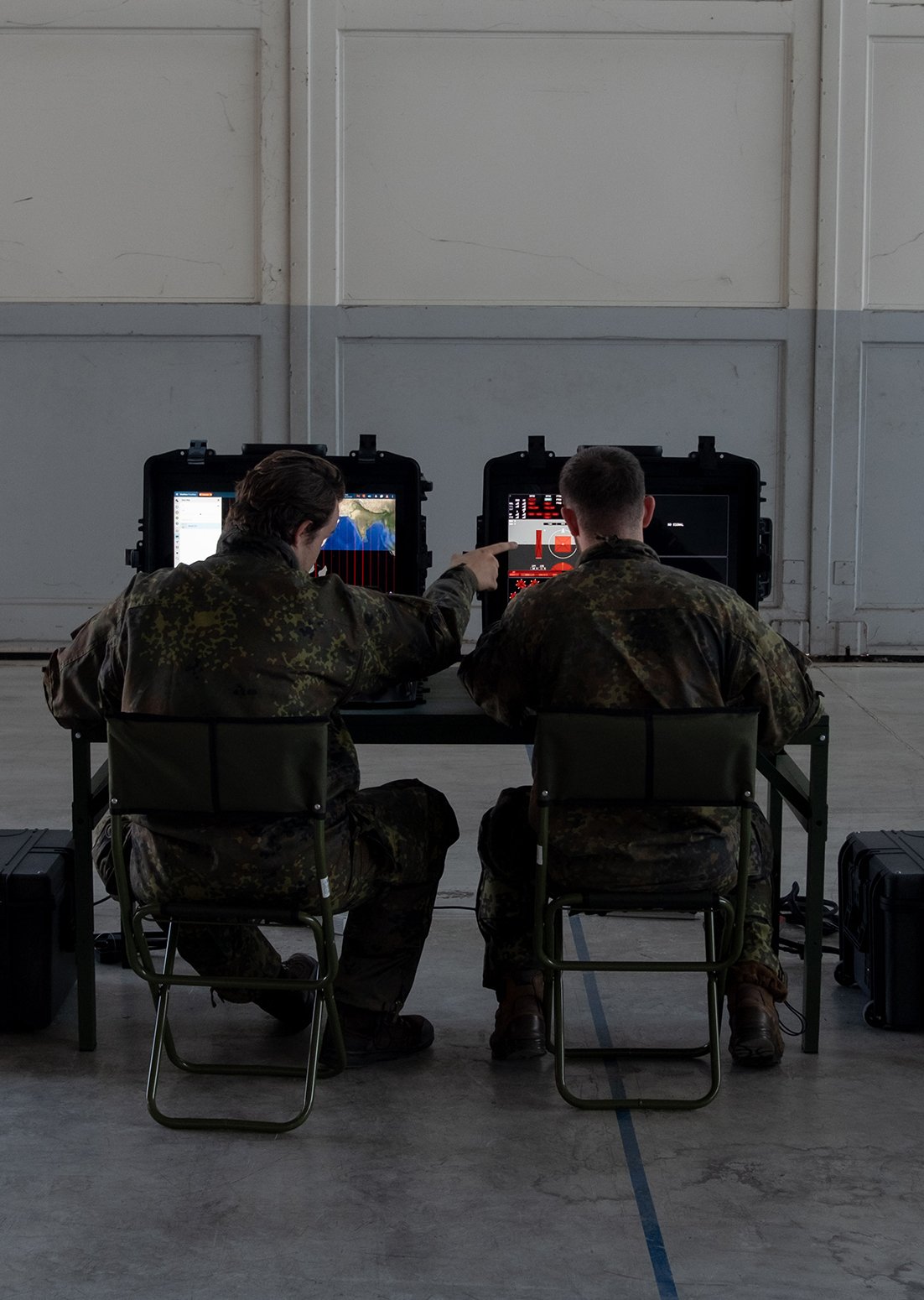
Avilus evaluated several frameworks before standardizing on Qt. The decisive factor was code clarity and ownership. Qt's QML language allows visual structure, presentation, and behavior to be expressed together in a concise, human-readable form—without the overhead of XML-based design files used by many competing toolchains.
For our team, this is more than an aesthetic preference. A compact, readable code base means individual UI elements can be linked directly to their corresponding system requirements—an enormous advantage when preparing certification artifacts. Says Florian.
In comparison with other frameworks that the Avilus' team tested, the clarity, compactness, and transparency of the code was a strong differentiator.
The main argument for Qt was that the codebase is a lot nicer to manage. It genuinely feels like we own the codebase. Says Florian.
High-Performance Rendering
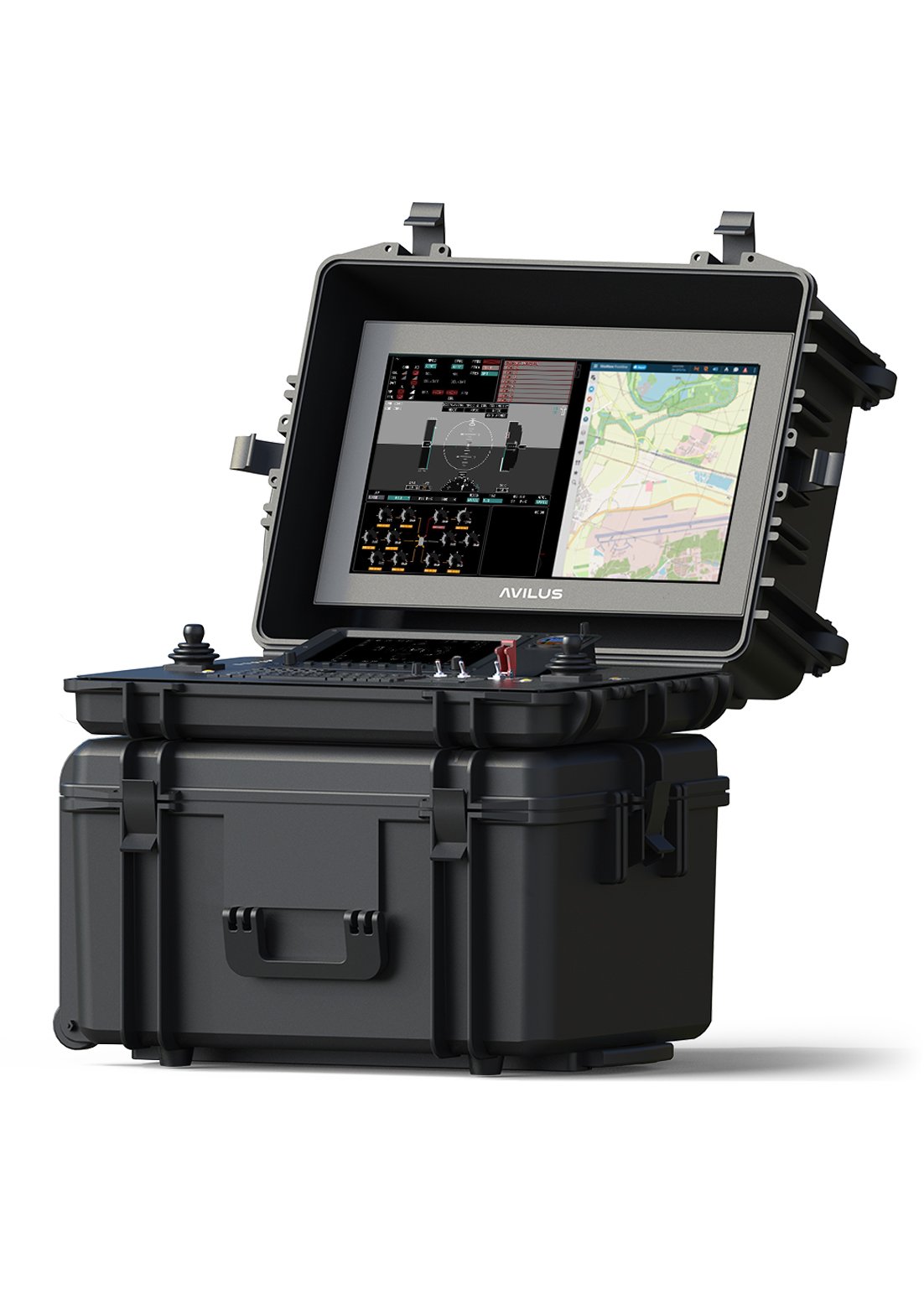
Operator displays in Avilus ground control systems must meet two distinct performance profiles.
When aircraft operate beyond close range, pilots fly on instruments—artificial horizon, altitude, speed, and navigation data—and those indications must update in real time with no perceptible lag. Alternatively, when operating at shorter distances (e.g., during medical evacuation missions), a live video stream is added to support precision landing.
In both cases, the requirement is the same: the framework must contribute zero additional latency. Says Florian.
While network and radio link delay is an accepted constraint of remote operations,
any delay introduced by the rendering layer is not. Qt met this requirement directly.
When the team encountered configuration questions during integration, Qt Support provided a working solution that achieved the minimum latency the mission profile demands.
Qt Support actively tried to help us reproduce the issue first and find solutions—even when the problem had not been fully articulated by us. And to be clear: I do not contact support for easy questions. Says Florian.
Team Efficiencies and Workflow Optimization
By using Qt, prototyping cycles for new features dropped by roughly 50%.
Tasks that previously took a full day—implementing a new feature, building it, and validating it on target hardware—now complete in half that time. Says Florian.
When prototyping visual layouts, a very tight development cycle is essential. The QML Preview feature shortens the inner loop further: layout iterations that once required a two-minute build now take seconds.
Just knowing that I can do 30-second iteration cycles with new features really speeds up the whole process. He continues.
And there is the well-known cross-platform usability of Qt that cuts time by half in maintaining legacy and next-gen systems.
We maintain a single Qt project that builds for both Windows-based legacy ground control hardware and Linux-based next-generation systems. Says Florian.
This eliminates the duplicated effort and divergence risk that typically come with multi-platform UI development.
About Avilus
Avilus is a German manufacturer and certified operator of a new class of dual-use drones. The company's unmanned aircraft are deployed in medical evacuation, logistics, intelligence, surveillance, and support missions, with payloads and ranges that exceed those of small UAVs while avoiding the cost and complexity of certified manned aviation.
Avilus operates under a Light UAS Operator Certificate (LUC) issued by the German Federal Aviation Office under EU Regulation 2019/947 — making it one of only a few operators in EASA airspace authorized to plan, approve, and execute drone missions independently. Three platforms anchor the product line: the Grille hexacopter for medical evacuation, the Wespe rotor-wing for logistics, and the Bussard fixed-wing for surveillance.
Oh, there's more
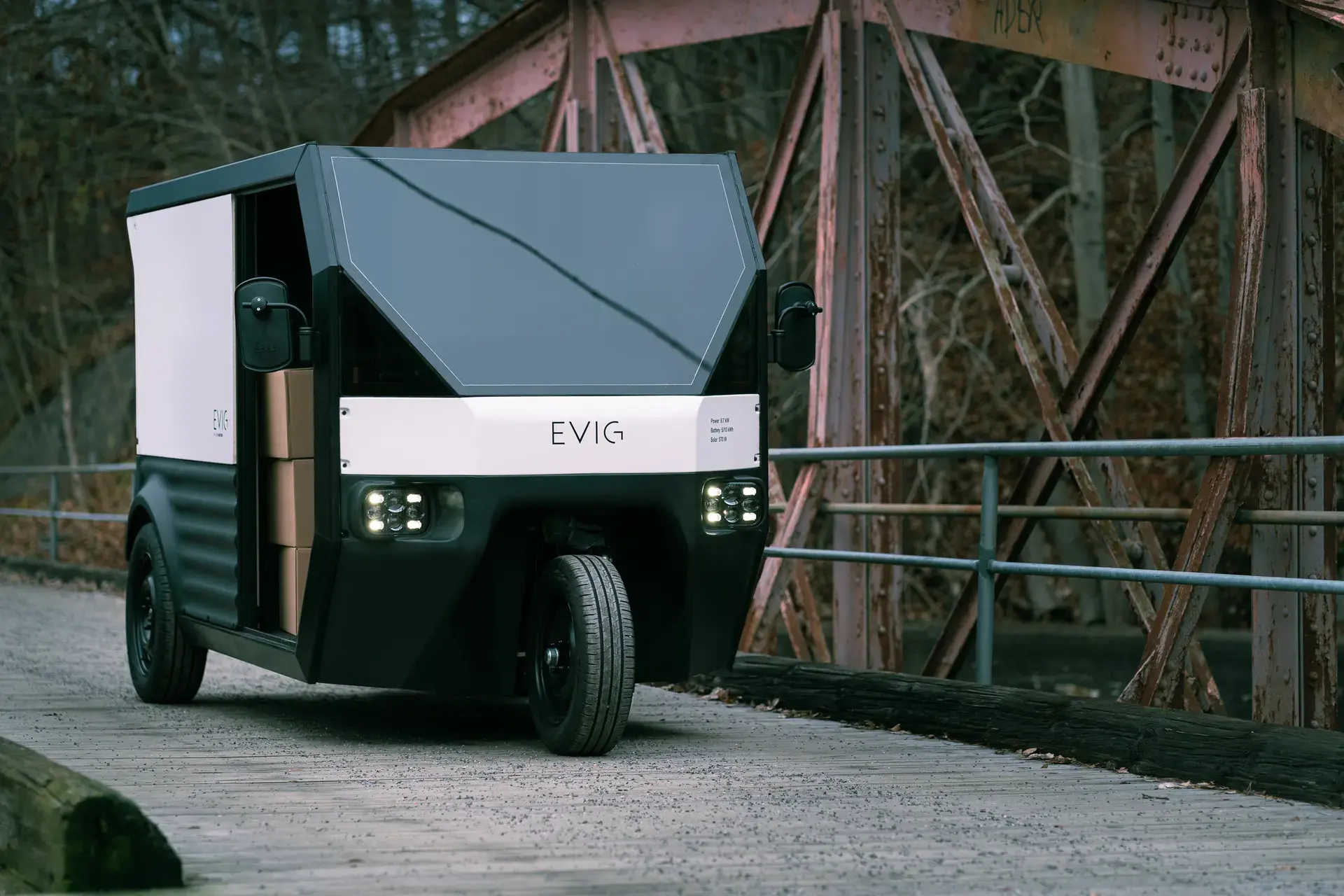
CLEAN MOTION | Built with Qt
Learn how Qt Professional Services helps the Motor Vehicle's industry fast-track HMI development with out-of-the-box solutions that are deployed in a ...
Read More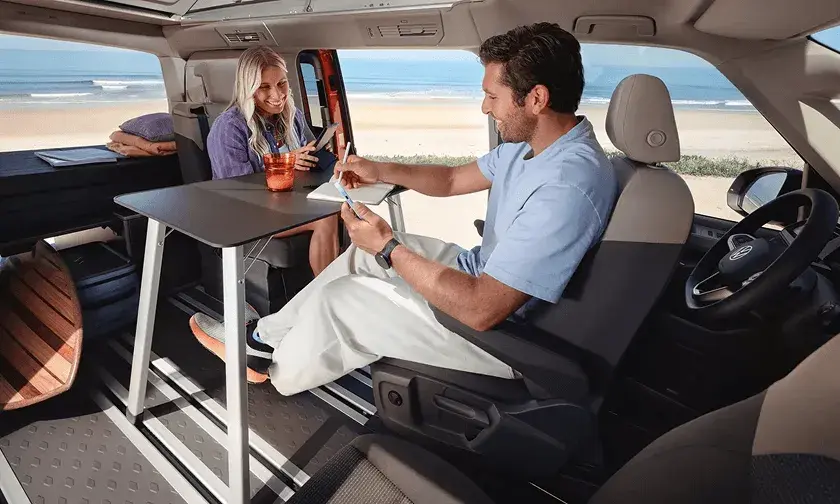
Volkswagen | Built with Qt
Desay SV and Volkswagen have selected Qt and Vector to reduce memory consumption by 50% and deliver a superior experience on the 5-inch screen of the ...
Read More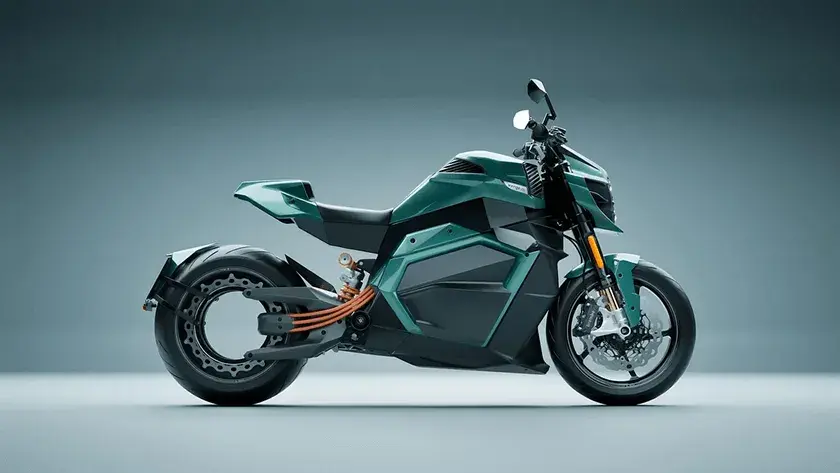
Verge | Built with Qt
Verge has built a superior riding experience on their electric motorcycles, reducing the memory footprint by 85%.
Read More