Software Quality Solutions for Aerospace and Defense

Certification runs on evidence. Qt Group supplies the analysis, coverage, testing, and traceability evidence that DO-178C, DO-278A, and DO-330 demand—from one supplier, on infrastructure that never leaves the customer network.

Assuring Quality Across Sectors:

Airborne Systems

Flight controls, avionics, cabin and cockpit displays, and in-flight systems, under DO-178C from DAL E to DAL A.

Air Traffic Management

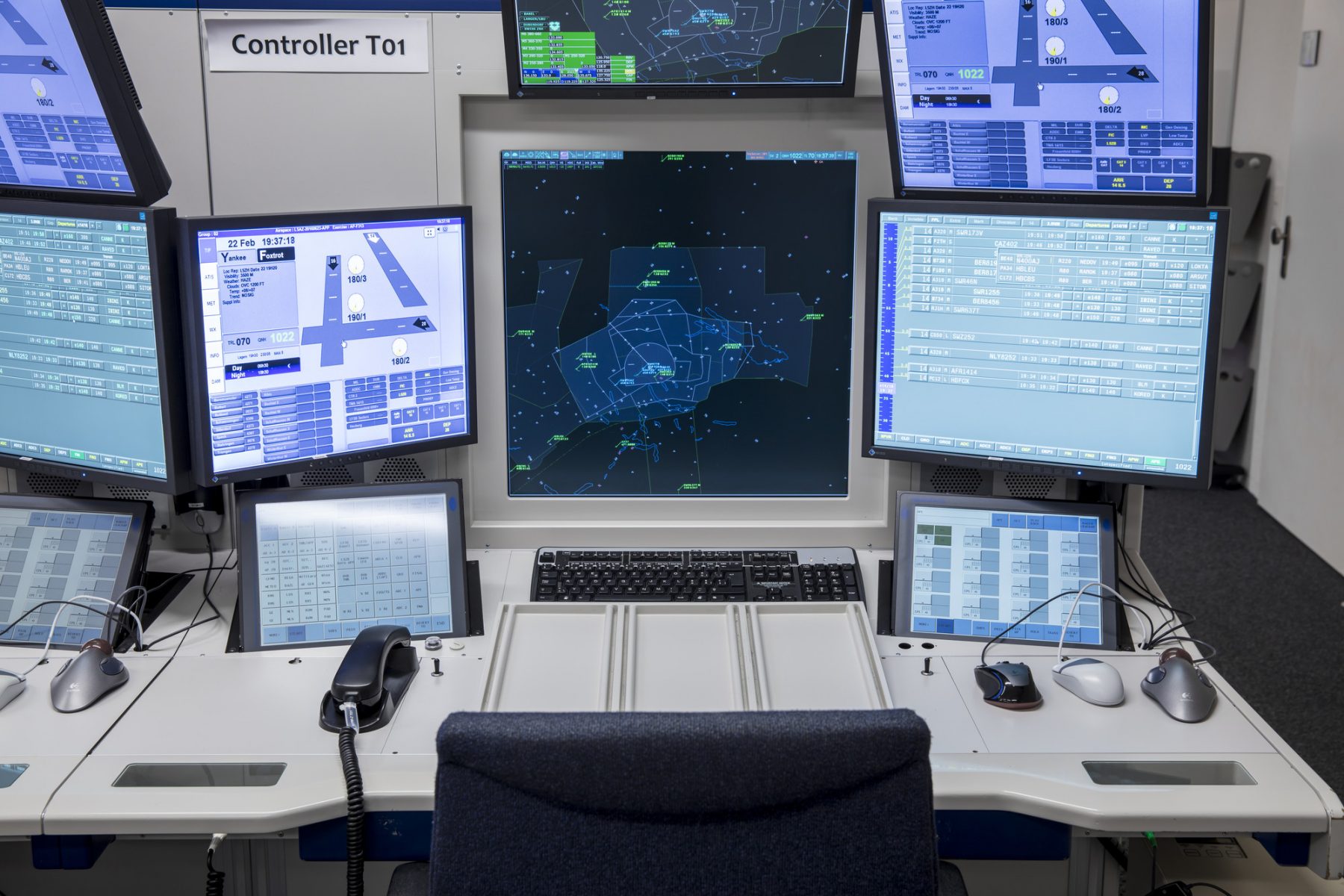
Ground systems, air traffic control positions, flight data processing, and CNS/ATM software under DO-278A. 

Space and New Space

Satellite payloads and buses, ground segment software, and launch systems, where physical access after deployment is impossible.

Uncrewed Systems

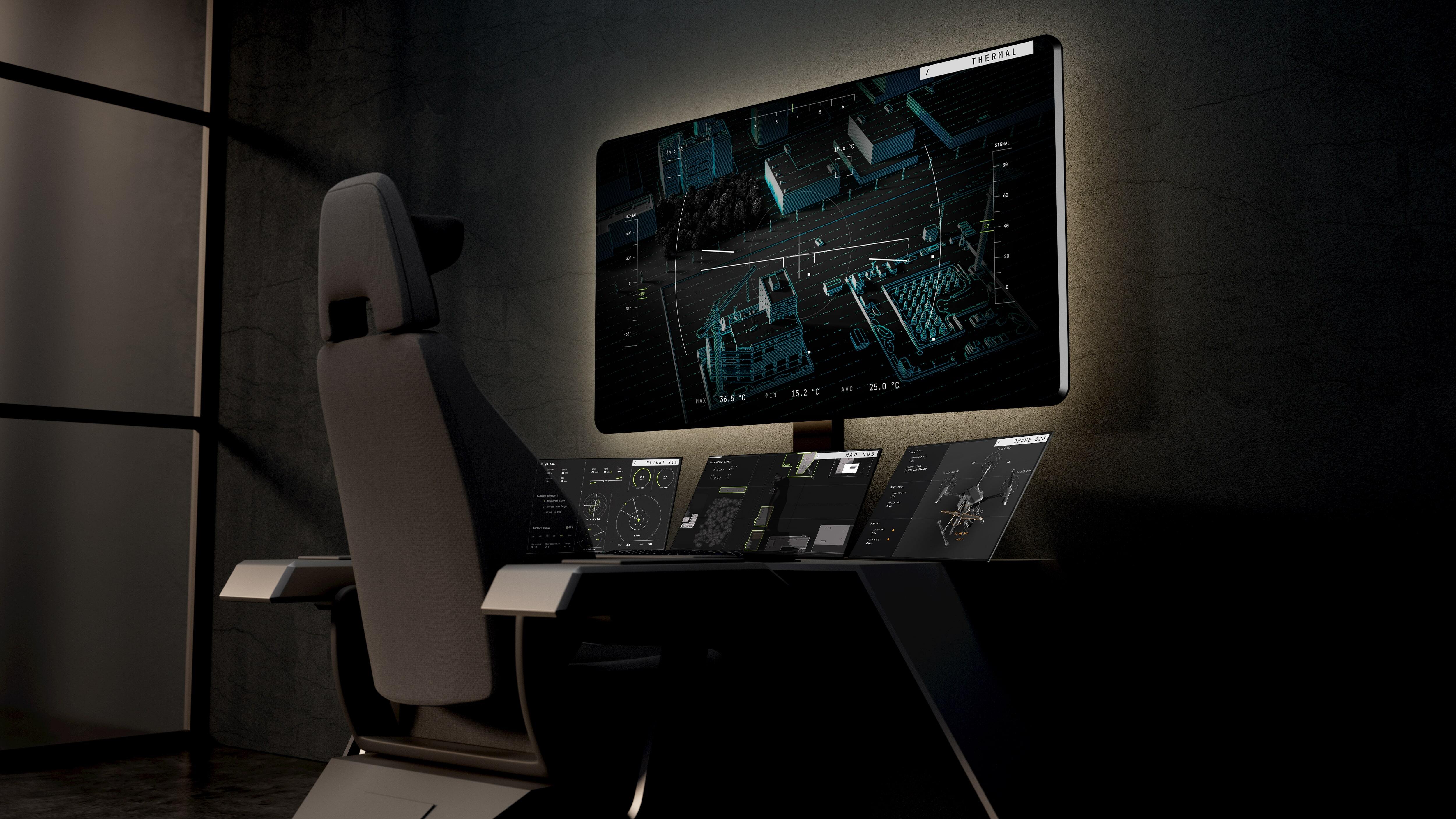
Ground control stations, mission planning, autonomy stacks, and operator interfaces—spanning airborne and ground-based assurance regimes.

Defense Platforms

C4ISR, mission systems, radar and sensors, communications, vehicle and vessel HMIs, under program-specific assurance and security regimes.

Flight deck

Certification Runs on Evidence

DO-178C and DO-278A are objective-based. Each objective demands artifacts: a requirement, a test that exercises it, a record that it ran, a measurement proving the code was reached, and an unbroken chain linking all four. Assembling that chain by hand across disconnected point tools is where programs lose months.
Qt Group supplies the whole chain:

  • Axivion verifies the code obeys its coding standard and the implementation still matches the intended architecture.

  • Coco measures how much of the code the tests actually reached.

  • Squish verifies the interface behaves as specified, on the target.

  • Test Center links every result to the requirement it satisfies and keeps the record audit-ready.

Four tools, one supplier, one evidence chain.

Drone Control Room_Original

DO-330 Tool Qualification

Tool qualification per DO-330 is required whenever the design assurance processes in DO-178C or DO-278A are eliminated, reduced, or automated by the use of the tool unless the output of the tool is verified.

Qt Group provides Tool Qualification Kits for Axivion, Coco, and Squish.

Each kit is scoped to the customer's actual toolchain, target, and applicable standard, and produces the artifacts a certification authority expects, including a validation test suite run in the customer's own environment. Qualification is repeatable, so a tool upgrade does not force the exercise to be redone by hand.

The kits also support ISO 26262, IEC 61508, IEC 62304, and EN 50716, which matters to suppliers working across aerospace, automotive, industrial, and rail programs from one codebase.
Product Capabilities for Certifiable Software 

  • GUI Testing
  • Static Code Analysis
  • Architecture Verification
  • Code Coverage
  • Test Consolidation
Video Thumbnail

GUI Testing

Ground control stations, air traffic control positions, mission consoles, and test and support software all carry heavy manual test burdens, and all of it has to be re-run for any change.

Squish automates GUI testing against the real application on the real target, across desktop, embedded, mobile, and web, from a single tool.

  • Test as it will fly. Support for embedded operating systems including VxWorks and hardware targets including ARM, MIPS, and PPC, with minimal performance impact on the target.

  • Factory acceptance testing. Acceptance procedures automated and repeatable, rather than re-executed by hand for every unit.

  • Native framework integration. Squish tests applications through Qt, Java, Windows, and other frameworks natively, which improves test performance and keeps suites portable across platforms.

  • Coverage uplift. DO-178C and program contracts expect high test and code coverage. Automated GUI testing is one of the most effective ways to raise it.

  • Mixed-system, end-to-end scenarios. Real workflows span applications and operating systems. Squish drives applications on Linux and Windows within a single test—the capability Skyguide identified as decisive.

  • Rapid test development. An IDE and behavior-driven testing support that let engineers build suites without a scripting specialist.

Video Thumbnail

Static Code Analysis

Contracts routinely mandate static analysis and a named coding standard. Proving compliance by review does not scale.

Axivion analyzes C, C++, C#, Rust, and CUDA. Its rule-based checkers—MISRA C and C++, AUTOSAR, CERT, CWE, and secure coding—apply to C, C++, and CUDA.

  • Program-specific rules as first-class checks. Custom rulesets run and report alongside the published standards, not in a separate manual process.

  • Findings while they are cheap. Defect analysis, dead code, clone detection, and metrics monitoring surface problems during development, not at a certification review.

  • Certified for functional safety use. Certified by SGS-TÜV Saar for ISO 26262, IEC 61508, IEC 62304, and EN 50716, up to the highest safety integrity level of each.

  • DO-330 tool qualification. The Axivion kit covers Static Code Analysis in its coding standard enforcement role.

Video Thumbnail

Architecture Verification

Architecture erodes without symptoms. A dependency is added, a layer is bypassed, no test fails—and the certification evidence now describes a design the code no longer matches.

Axivion compares the implementation against the specified architecture on every build and flags divergence as it appears.

  • Freedom from interference, demonstrated. Component separation shown to hold in the delivered code, not just in the design document.

  • Import from MBSE tools. Existing models imported rather than restated, including from IBM Engineering Rhapsody.

  • Legacy code included. Where no reliable architecture documentation exists, architecture recovery reconstructs it from the code.

  • Reuse across programs. Verified architectural integrity is what makes a component credibly reusable on the next program instead of re-verified from scratch.

  •  

Video Thumbnail

Code Coverage

DO-178C sets the structural coverage obligation by design assurance level: statement coverage at DAL C, statement and decision at DAL B, and Modified Condition/Decision Coverage (MC/DC) at DAL A. Contracts frequently set coverage targets of their own on top of that.

Coco measures statement, branch, condition, and MC/DC coverage, and reports them in an auditable format.

  • The only coverage option for QML. Where the interface is built on Qt Framework and QML, Coco is the only tool able to measure coverage of it.

  • Diverse compilers, embedded devices, and RTOS targets. A&D toolchains are heterogeneous and often version-locked. Coco supports a wide range of them.

  • Dead and deactivated code. DO-178C requires unreachable and deactivated code to be identified and justified. Coverage analysis is how that case gets made.

  • Auditable evidence, not dashboards. Reports structured for submission, with a documented basis for the numbers.

testcenter-interface-simplified-01

Traceability That Survives an Audit

Tests exist, they pass, and nobody can demonstrate on demand which requirement each one satisfies. That is where most programs are actually exposed.

Test Center consolidates automated and manual results from across the toolchain, links them to requirements, and keeps the history intact.

  • Consolidated results. One record covering many tools, so there is a single answer to what was tested and what passed.

  • Requirements traceability. Linkage between requirements, tests, and results, with integration to Jira, Polarion ALM, TestRail, Azure DevOps, Xray, and Zephyr.

  • Report generation. Reports and documentation are routinely required as evidence that contractual and certification obligations have been met. Test Center produces them from the record rather than from a spreadsheet.

  • Historical analysis. Execution history retained and analyzable over time, across every run and parameter set.

Built for Defense Programs

Defense procurement applies constraints that civil aviation does not, and they are usually settled before the technical evaluation begins.

  • Offline installation for air-gapped networks. Axivion, Squish, Coco, and Test Center all offer offline installers and run inside the customer's own network. Programs handling classified data can develop and test without a route to the outside.

  • No requirement to hand over code. Analysis, coverage, testing, and results all stay on customer infrastructure. There is no vendor-hosted service to upload source, test artifacts, or results to, and no need to disclose project detail that classification or export control may prohibit disclosing.

  • Evidence that outlives the contract. Governments generally own the system and often the code, while the commercial entities developing and sustaining it change over a service life measured in decades. Tooling and evidence have to survive that handover. Repeatable qualification, retained test history, and architecture definitions that live with the codebase rather than in someone's head are what make that possible.

  • Component reuse across programs. Verified architectural integrity is what allows a component qualified on one program to be credibly reused on the next, instead of being re-verified from scratch.

Success Stories

Read what our customers say about our products.
RS1327_SKYGUIDE_29A0042-lpr-1800x1200
Tested with Squish

Skyguide

Read Success Story

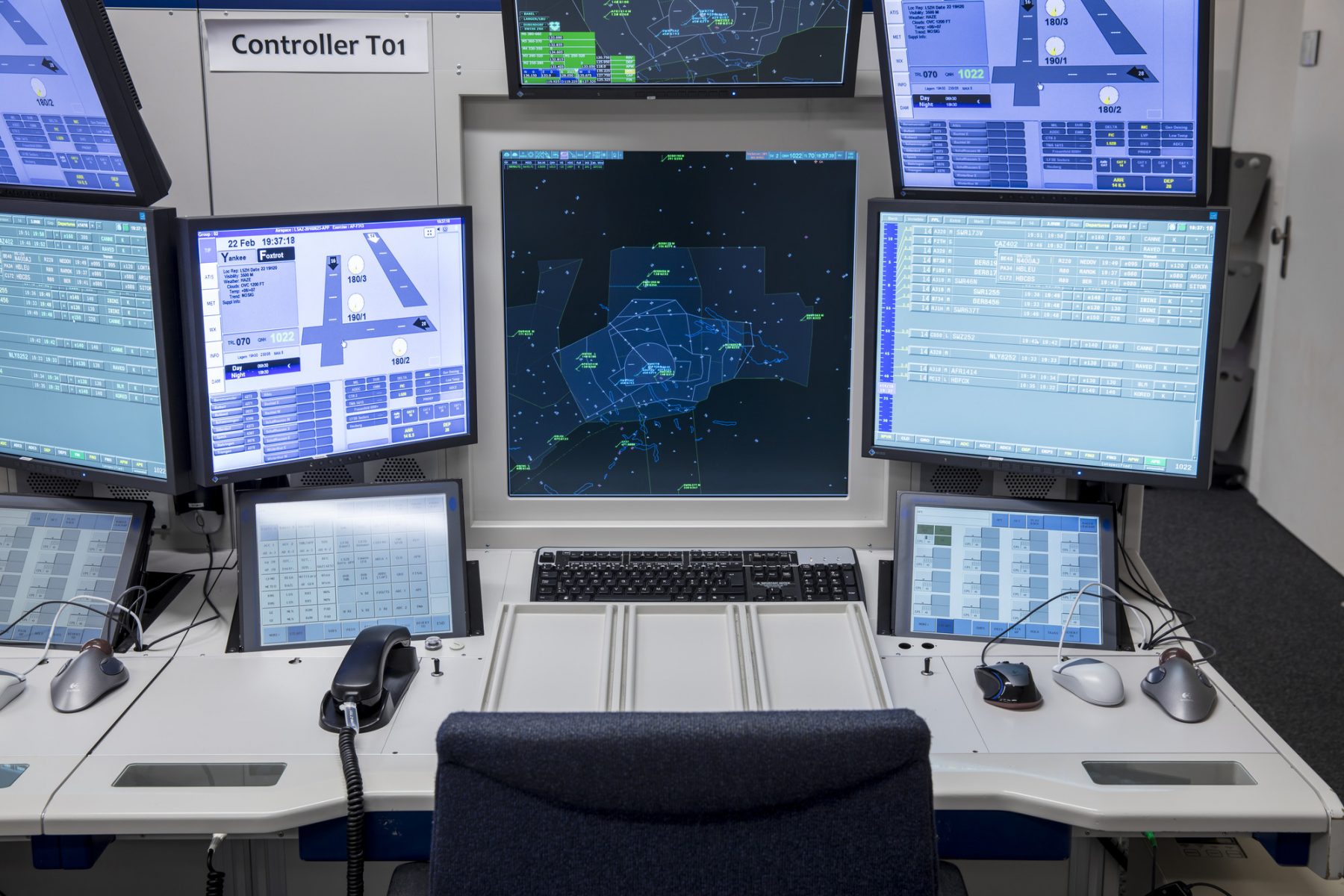
“What’s really key for us, having to do end-to-end integration testing and not normally having access to all the source code, is a tool like Squish that can talk to an application on Linux and one on Windows…it provides exactly what we need.”

Hensoldt_SuccessStories_ProductPage_840x470px
Assured with Axivion

HENSOLDT

Read Success Story

“With the Axivion Suite, we have significantly reduced our integration effort and integration risk.”
Screenshot-2019-05-20-at-14_57_46-750x582
Tested with Squish

Tern Systems

Read Success Story

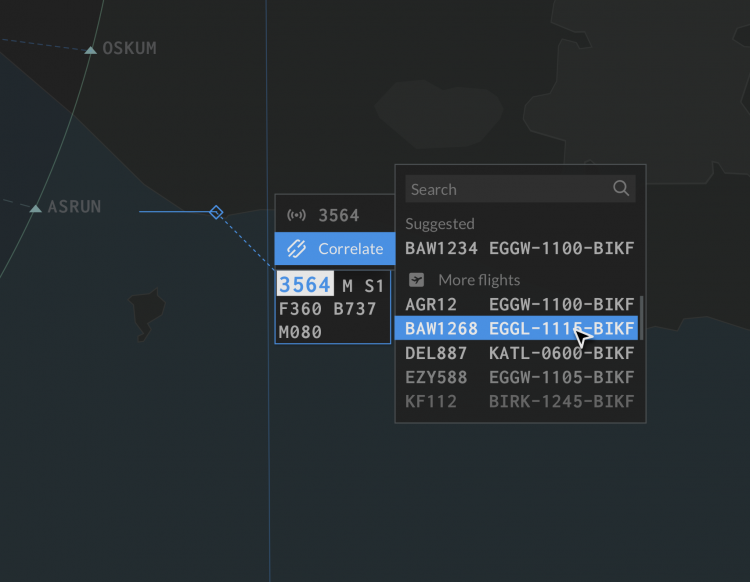
“We have found issues in things manual testers didn’t get to.”

Learn More

Visit our QA Resource Center

Read more success stories, watch webinars, and download documents for Squish, Coco, Test Center, and Axivion.

Visit QA Resource Center

Qt Development Tools for Aerospace and Defense

Accelerate speed of delivery, continuous adaptation, and modular tech upgrades with Qt Group's technologies for cross-platform software design, development, and testing.

Learn more

Meet our Aerospace and Defense Experts

Our industry experts have years of experience and can help you create high-quality software for aerospace and defense.