The Most Complete UI Framework to Mix-and-Match From

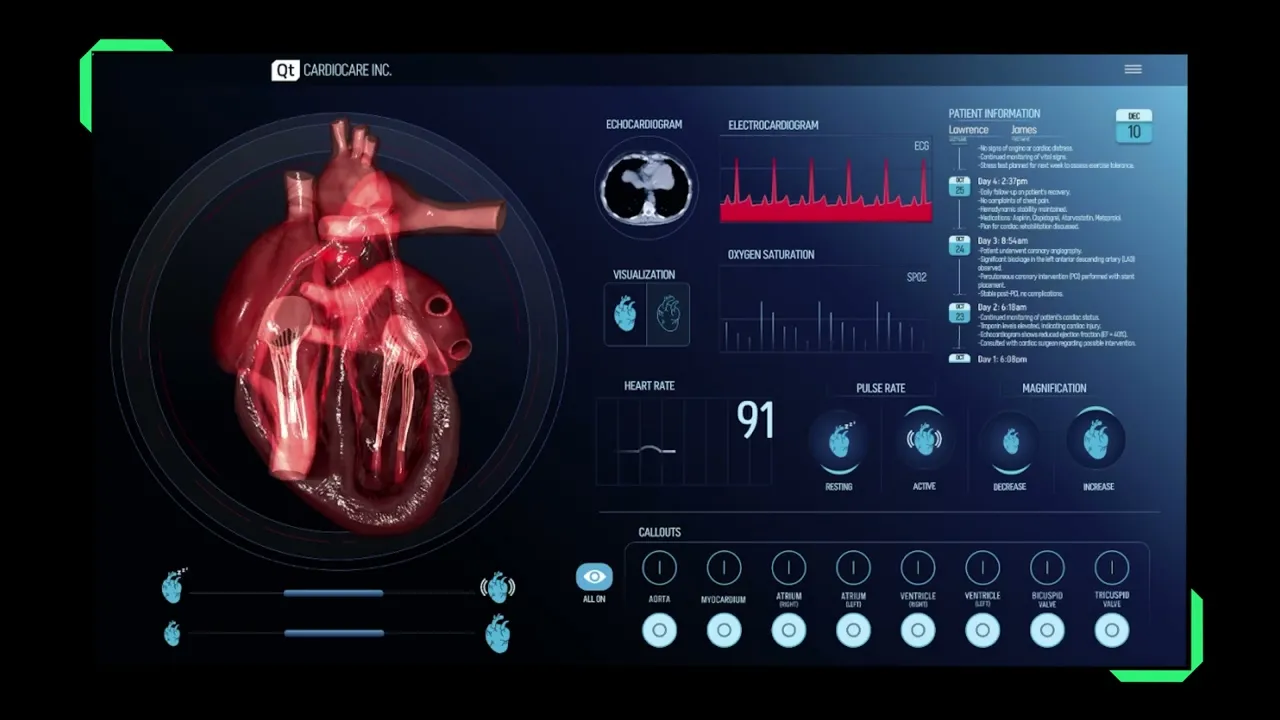
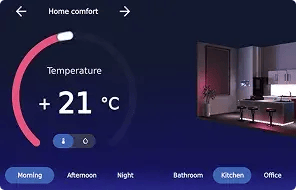
Build your user interface with Qt's extensive, cross-platform UI framework. Flexibly combine basic controls with enriched 2D & 3D graphics, graphs, multimedia, and shaders, as well as ready-made and customized components.

Basic Controls

basic-controls-ui

3D Graphics

3d-graphics

Custom Components

custome-components-ui

Cross-Platform User Interfaces

The most extensive cross-platform UI framework available, Qt allows you to combine a wealth of ready-made and customized components to build up your user interface. You get not only basic controls but also the complex components as a natural part of your UI, eliminating friction and providing a clear separation between your UI and backend.

Fluid UIs on All Platforms

Create your UI for embedded, mobile, desktop, and full-screen HMIs, delivering native performance.

Explore

The Kind of UI You Need

Choose from ready-made and customizable components, and create a UI as suits your needs.

Explore

Rich UI Components

Efficiently incorporate enriched components, such as 3D, multimedia, or graphs, into your UI.

Explore

We evaluated different UI frameworks but selected Qt for its platform independence enabling deployment to different types of embedded hardware with good performance.

Carsten Leischner, Director of Software Engineering, Dräger

Go to Their Story

QtFramework-UI-CrossPlatform
DELIVER NATIVE PERFORMANCE

Fluid Cross-Platform UIs

Qt applications run on any platform. They have a clear separation between the user interface and backend, are memory-safe, and fully cross-platform on the language-level, utilizing the Qt Quick libraries and UI language, QML.

You can use the same UI framework to create:

  • Full-screen HMI
  • Mobile applications
  • MCUs for resource-constrained devices
  • Desktop applications using separate windows

In addition, Qt Quick and QML are extremely fast to learn, and they allow mixing with other UI technologies for hybrid UIs.


BUILD YOUR UI FASTER

Ready-Made UI Controls

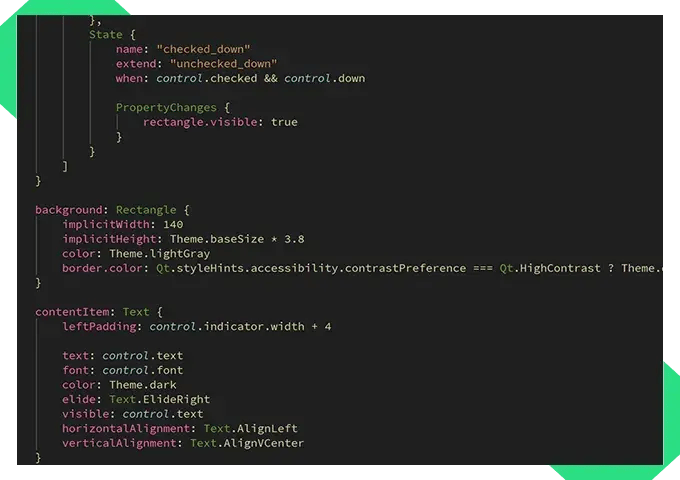
Qt Quick Controls are pre-made sets out of the UI components to form, for example, buttons, containers, inputs, navigation, and popups, which you can then customize further. Controls provide optimized, light-weight implementations of often used elements, allowing you to focus on styling rather than building basic functionality from scratch.

The controls are highly stylable:

  • The declarative nature makes styling very toolable,
  • Overall application styling keeps your UI systematic easily,
  • The styling adapts to native look & feel on different platforms.

From Basic to Rich UI Components

Build the kind of user interface you need from ready-made and customizable components. Start, for example, with these.

Basic Components & Events

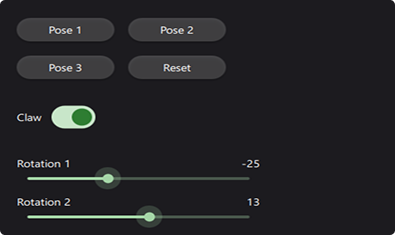
Build your UI from scratch using shapes, colors, and input handling. For example, combine a rectangle with text and a click or a touch event to create a button.

Take an Online Course

basic-components-events2

Text Input Handling

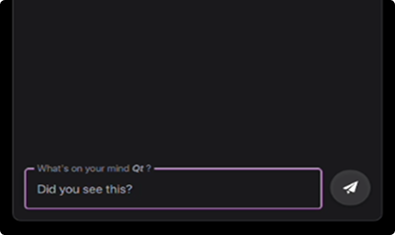
Make use of font handling for common and custom fonts. Let Qt take care of rendering, typography, localization, and text input method handling.

Take an Online Course

text-input-handling2-1

Layouts

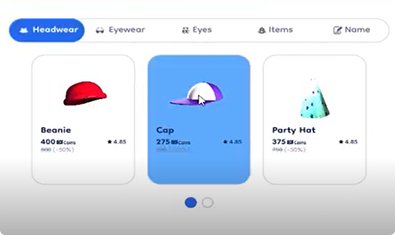
Handle the relative positioning of UI elements, such as a text label and a related field, ready-made, ensuring the best look & feel with e.g. localized versions.

Learn More in Documentation

layouts2

Image Handling & Maps

Easily apply effects or text on images or maps, colorize visual elements or turn them black & white, and combine in real-time location capabilities.
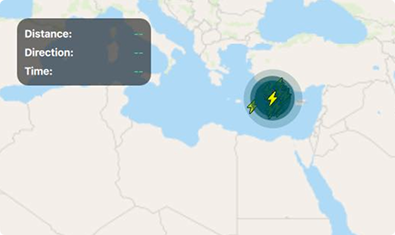

Try a Real-Time Map Example

image-handling-maps2

Effects

Create skeuomorphs, mimicking surfaces, such as glossy shine or liquid glass for more engaging UIs, or highlight UI elements where the user needs to be.
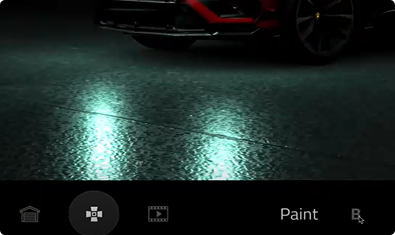

See an Automotive UI Demo

effects2

Animations

Position, color, and scale GUI elements. For example, have hovering over or clicking a button or an image enlarge it for a more responsive user experience.


Try a Digital Twin Demo

animations2

Qt naturally enables the creation of atomic UI components that can be reused across projects and appliances for a consistent, optimal user experience across different devices.

Daniel Dersmann, Head of Global GUI Framework Development, BSH

Go to Their Story

Next-Level Enrichment

Qt’s UI framework doesn’t stop at basics. It allows you to efficiently incorporate enriched components into your UI as natural extensions, without a need to separately integrate them. Imagine what you could do, for example, with these.

3D

Create real-time, interactive 3D content in combination with other UI elements, using a high-level API built on top of modern graphics APIs.
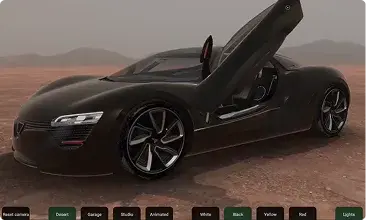

See Latest News for 3D

3d

Graphics

Include high-performant 2D and 3D vector graphics into your UI, using hardware-accelerated OpenGL support and a powerful scene graph architecture.


See Latest News for Graphics

graphics

Graphs

Visualize data in rapidly responding, customizable graphs from simple 2D to high-precision 3D and advanced techniques such as volumetric rendering.
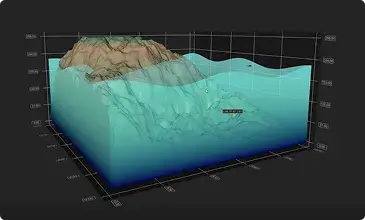

Discover Graphs

graphs

Multimedia

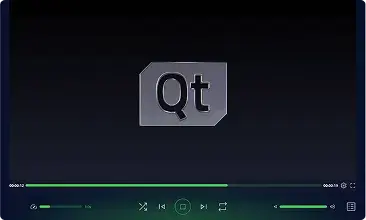
Handle audio and video playback, rendering, and recording, including access and memory buffers for system cameras, microphones, and screen captures.

Go to Multimedia Documentation

multimedia

Web Content, PDFs, and More

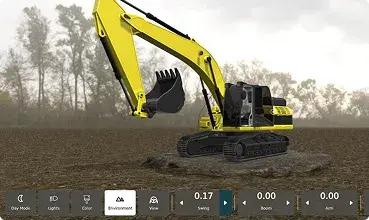
Provide a web browser engine to embed HTML, XHTML, and SVG content into your Qt application. Render PDF documents into a viewer.

Go to Qt WebEngine Quick Documentation

web-content-pdfs-more

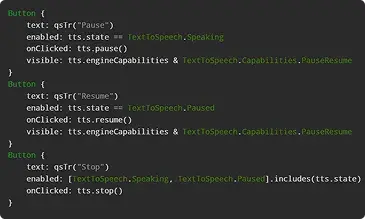
Virtual Keyboards & Text-to-Speech

Make use of ready-made building blocks for UI accessibility, such as high-contrast mode, global scaling, metadata, and accessibility tree structure.

Discover Qt’s Accessibility Capabilities

virtual-keyboard-and-text-to-speech
BUILD WITH CLARITY

Clear Separation of the UI and Backend

Using a UI framework based on model-view programming allows you to tie your user interface to the backend, all the while keeping them separate. This enables hybrid UIs, needed often in larger modernization projects. In addition, Qt Framework provides a wealth of core functionality that you can very efficiently couple up with your UI.

Highlights include:

QML bindings and signal handling for the ability to react to changes

A wealth of networking & connectivity and data handling options

Pre-made accessibility features

Building blocks to help ensure cybersecurity and regulatory compliance, such as the EU Cyber Resilience Act

QML is one of the best languages that I’ve ever used. It takes only a few days to get the hang of it. It’s really productive, it saves lots of time, it’s a joy to use.

Daven Sanassy, CTO, Vochlea

Go to Their Story

qml-language
DECLARATIVE UI DEVELOPMENT

The QML Language

QML is a declarative, memory-safe language used to design and implement user interfaces with Qt.

QML enables:

  • Writing clean and readable code
  • Expanding the UI description with imperative JavaScript
  • Coding that is fully cross-platform on the language-level
  • Fast learning with intuitive syntax
  • Easy prototyping

In addition to developing UIs, QML is tightly coupled to the backend and the Qt objects system. It enables efficient event handling and, for example, application scripting with automated workflows.

More on Qt’s UI Framework

Speed up Qt Development with QML Hot Reload

This is a guest blog post by FELGO, an official Qt Technology and Serv...

Read more

Emoji in Qt 6.9

Emoji are quirky and fun, but it's also one of the world's most popula...

Read more

Qt Quick Style Generator: Automating Qt Quick Styling with Figma

A Qt Quick Controls style defines the visual representation of the con...

Read more

More on Qt Framework

Qt Framework’s comprehensive set of libraries take away your routines from middleware to UI, 2D to 3D, platform to platform.

More on Releases & Licensing

The regular Qt Framework release cycle and the flexible licensing options allow you to choose the best fit to your product’s needs.

Get the Most out of Qt

Start experimenting with Qt's extensive, cross-platform UI framework, combining basic controls with enriched components.