About Metabo | KOKI Group
Headquartered in Tokyo, Japan, KOKI Group is a global manufacturer of professional power tools and accessories, with approximately 4,800 employees worldwide and locations across North America, Europe, and Asia. KOKI Group goes to market under five professional/trade brands – Metabo, HiKOKI, Metabo HPT, CARAT, and Sankyo Diamond Tools. HiKOKI and Metabo HPT leverage Japanese engineering principles while Metabo has spent more than a century advancing its German engineering expertise. Metabo's battery technology is also the foundation of the Cordless Alliance System (CAS), the cross-brand platform now used by more than 50 manufacturers. CARAT and Sankyo Diamond Tools round out the group's portfolio with specialized cutting and diamond tool solutions.
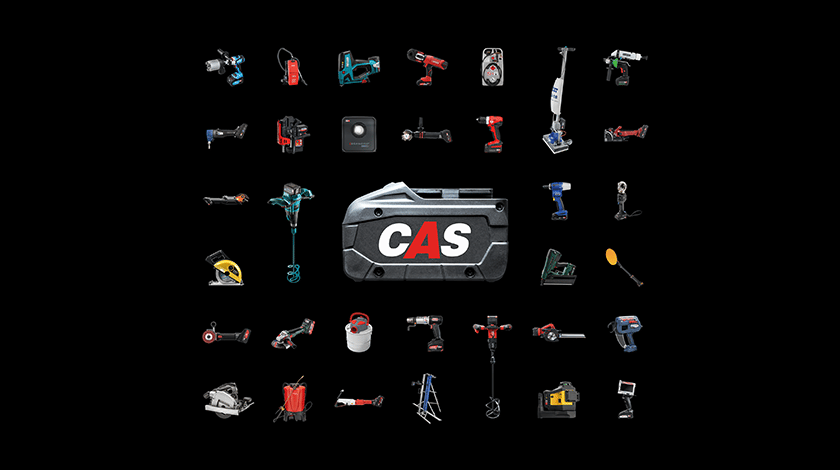
In embedded software development for power tools and battery systems, defects are not just a quality problem, they are a safety problem. Software defects can have a direct impact on product reliability and user safety. Firmware running on battery management systems and motor-driven tools must operate reliably across demanding real-world conditions. Metabo’s batteries are part of the Cordless Alliance System (CAS), a cross-brand battery platform currently used by more than 50 manufacturers. This means the software itself must be held to rigorous standards from the very first line of code.
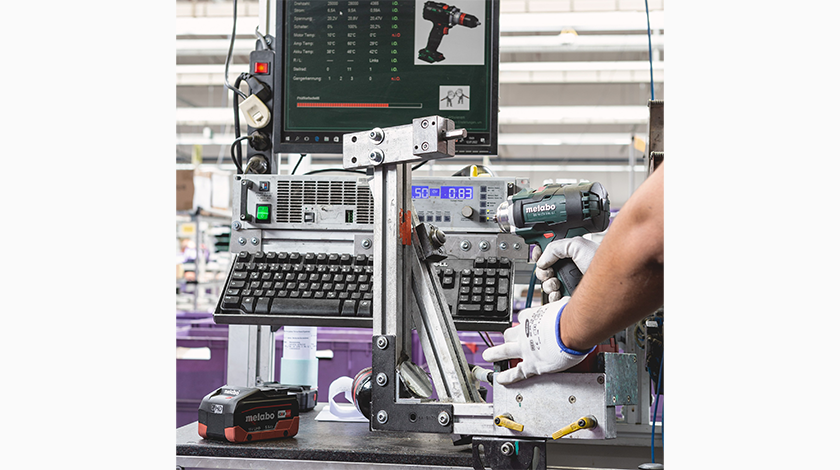
The development team works across a wide range of microcontroller platforms and ecosystems from multiple manufacturers, using different IDEs, including Eclipse and NetBeans, alongside various compiler toolchains, SDKs, and vendor libraries. Applying consistent quality standards across this kind of heterogeneous environment is not straightforward.
Manual code reviews helped, but they were not sufficient on their own. Certain classes of issues — dead code, arithmetic overflows, code duplication, and maintainability problems — are difficult to catch reliably through review alone, particularly as codebases grow. Finding defects late in the development cycle means more effort in verification, longer correction loops, and the risk of delayed releases. The team needed a static code analysis solution that could keep up with their environment, integrate into their existing workflows, and give them confidence earlier in the process.
Finding the Right Fit
The Metabo development team evaluated several static code analysis tools, assessing each on technical capability, integration effort, usability, and cost. The main goals were to improve software quality early in development and support compliance with coding guidelines. The requirements for a suitable tool were specific: it had to support multiple IDEs and compiler toolchains, integrate cleanly into the existing build infrastructure, reliably detect code quality and maintainability issues, and generate reports suitable for quality assurance and certification documentation.
After the evaluation, Axivion stood out. Its support for heterogeneous development environments, combined with remote build integration and structured PDF report generation, matched the team's requirements directly. The balance between analysis depth, integration effort, usability, and cost was the deciding factor.
Consistent Analysis Across Platforms and Toolchains
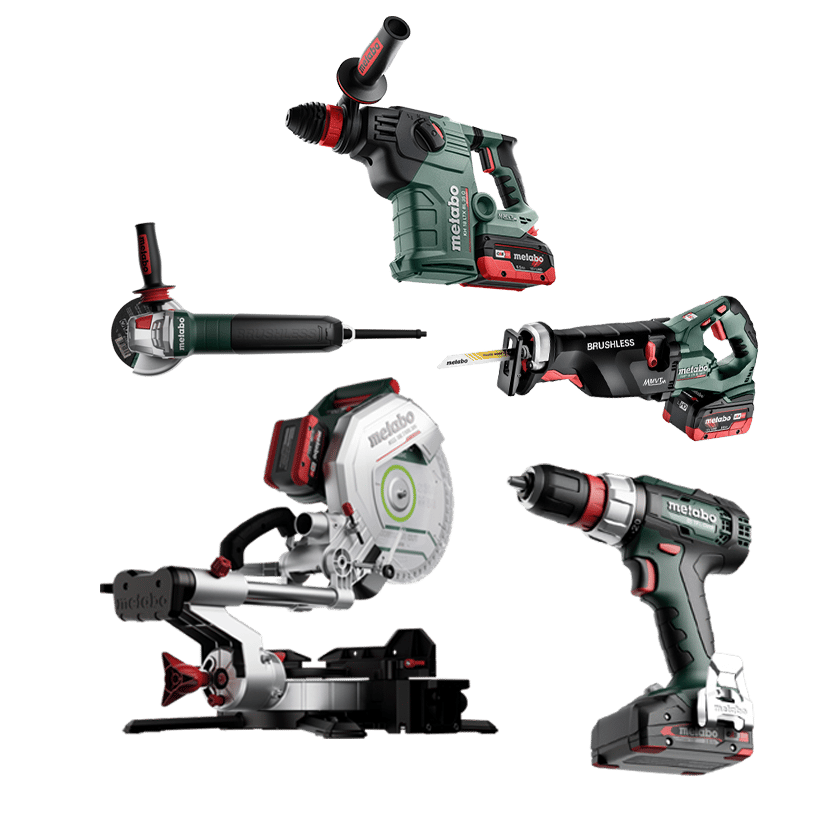
Axivion is used regularly throughout development by the software engineering team. Analysis runs cover both the BMS firmware and the firmware for cordless power tools, checking for:
-
Dead code
-
Code duplication
-
Potential arithmetic overflows
-
General maintainability issues and coding guideline violations
The generated PDF reports serve a practical purpose beyond the development team: they are included in documentation packages submitted to registration and certification bodies, such as DEKRA.
Integration into the team's existing workflow required only minor adjustments. The tool was adopted with manageable training effort, and acceptance within the team was not a barrier as the need for static analysis tooling was already understood. Fast and responsive support from the Axivion team further reduced the time needed to reach productive use in a complex, multi-platform environment.
Oh, there's more
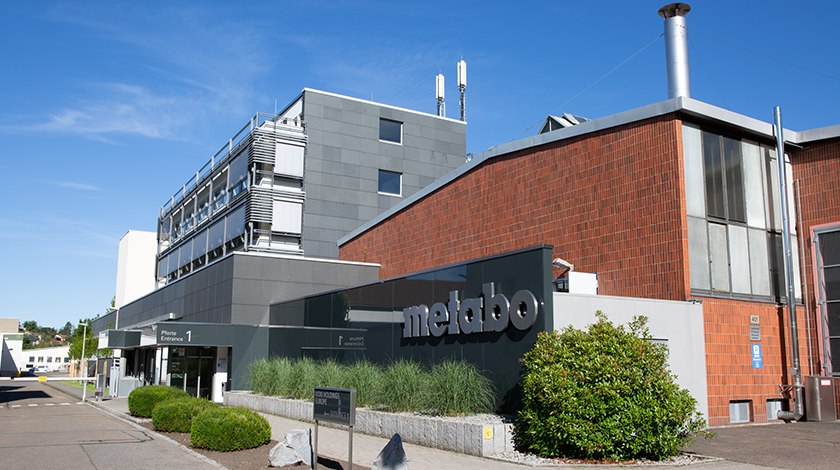
Success Story: Metabo | KOKI Group
Thanks to Axivion, Metabo not only integrates static analysis across a wide range of IDEs and toolchains, but also catches maintainability issues earl...
Read More
Success Story Kontron | Axivion
Thanks to Axivion Kontron now is not only CRA compliant, but also has improved the quality of their code.
Read More
Success Story Heartland.Data | Axivion
A leading software development company replaced its static analysis tools with Axivion Suite to reduce setup and maintenance time resulting in an high...
Read More
Success Story Schaeffler | Axivion
Architecture Verification of the Axivion Suite demonstrates Freedom from Interference in a Mixed ASIL Approach according to ISO 26262
Read More
Success Story Jungheinrich | Axivion
Automated code and architecture verification for agile software development
Read More
Success Story TRUMPF | Axivion
TRUMPF Laser, in Schramberg, guarantees the quality of its software by using Axivion Suite code and architecture verification
Read More
Success Story Elektrobit | Axivion
Erosion protection for navigation software in the fast-moving automotive industry
Read More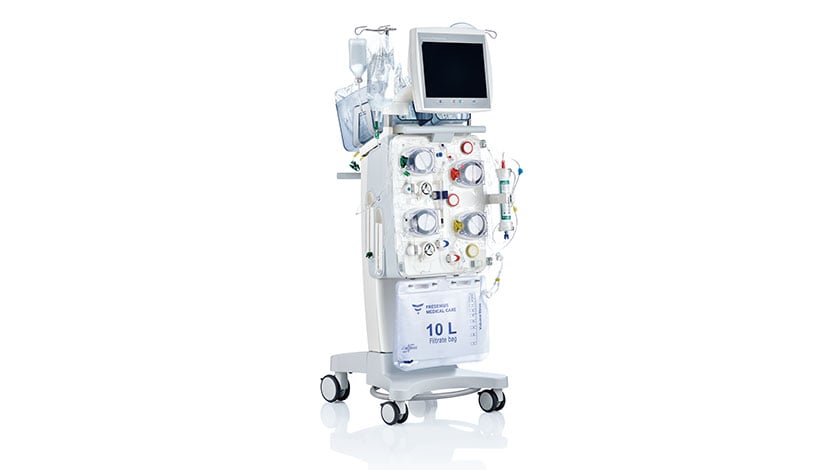
Success Story Fresenius Medical Care | Axivion
Software erosion protection for long-lasting software in the field of medical technology
Read More

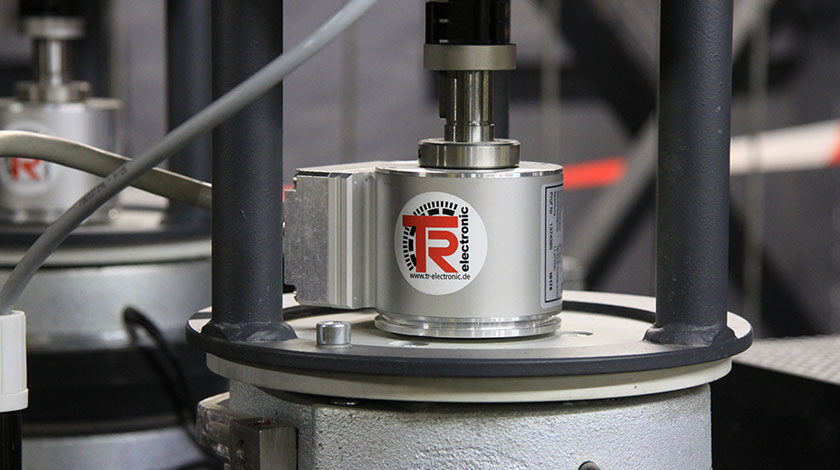
Success Story TR-Electronic | Axivion
Architecture analysis and MISRA checking for automation technology firmware
Read More
Success Story SynSpace | Axivion
Right on track to achieve Automotive SPICE Level 3 with software archaeology and continuous tests
Read More
Success Story Dentsply Sirona | Axivion
Rule-compliant code and uniform architecture for dentistry technology
Read More