Apr 22, 2026
Comments
Qt for MCUs 2.12.1 LTS has been released and is available for download. This patch release provides bug fixes and other improvements while maintaining source compatibility with Qt for MCUs 2.12 (see Qt for MCUs 2.12 LTS released). This release does not add any new functionality.
More Out-Of-The-Box Platform Support
Following close collaboration with AI-enabled Infineon PSOC Edge E84 SoC, we have now added it as an official out-of-the-box Tier-2 package distributed through Qt's online installer. This makes integration more seamless, and users can easily design, build, and deploy cutting-edge HMI applications for PSOC Edge microcontrollers using Qt's design and development tools (QtCreator) in conjunction with the ModusToolBox toolchain.
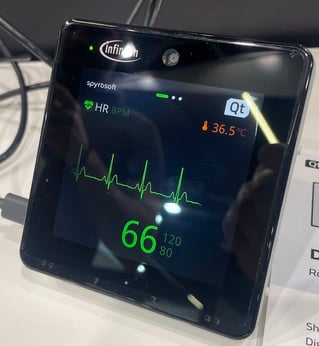
We also announced support for the PSOC Edge HMI kit, which is designed to help users get started quickly with small-form-factor products. We demonstrated these platforms at the concluding Embedded World Germany, in collaboration with Infineon and Spyrosoft.
Qt for MCUs is now ported to AI-powered STM32N6 microcontrollers with full Neo-chrome GPU support, as a Tier-3 supported board. The packages can be requested by contacting Qt Company support. A full list of platforms is available here.
In upcoming releases, improved support for Nuvoton Gerda series microcontrollers will be added as part of the product. Support for the NXP RT700 MCU with openVG-based rendering is scheduled to be available in May 2026.
A Tool To Visualize And Monitor Performance
Performance is the central factor in any modern HMI, particularly at a time when BoM costs are rising. We created a technology preview of a visual log analyzer for Qt for MCUs that helps users quickly read complex logs over a serial port connected to a PC and visualize and monitor performance in a dashboard. To use this tool, performance logging needs to be enabled in the Qul Platform layer.
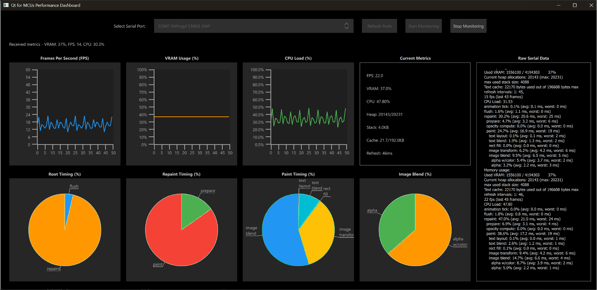
We will share this utility in future releases.
Power Consumption Optimized
Qt for MCUs now supports deep sleep mode on Infineon TRAVEO T2G MCUs. A complete De and Re-Initialization of the QUL engine is now possible without a soft or hard reset of the microcontroller. This makes Qt for MCUs a perfect fit for power-consumption-optimized use cases like smartwatches and other battery-powered devices where sleep mode is critical.
This feature is implemented as a custom release of 2.12 and will be officially released in the upcoming MCU 3.0.
Code Coverage Now Available for Qt for MCUs
Enabling Qt Group's strong multi-product offering for embedded projects, Coco code coverage tool now supports Qt for MCUs as well.
Coco now ships with pre-configured compiler profiles for Qt for MCUs-supported toolchains, eliminating the need for manual toolchain setup. Furthermore, it is now possible to merge C++ and QML coverage results into a single instrumentation database.
Coco uses a layered approach to code coverage: while host-based unit tests validate core logic quickly, Coco Test Engine automatically generates test data, including edge cases that are easy to overlook when writing tests by hand. This can achieve 90%+ coverage across a complete embedded application.
A detailed description can be found in the relevant release post here.
Sneak Peek: Dynamic Applet Ecosystem
We are working on an exciting new feature that makes it easy to develop and install Qt for MCUs-based apps on a running host MCU application without replacing the entire software in flash. We showcased the demo at the Embedded World Germany event. More details coming soon!
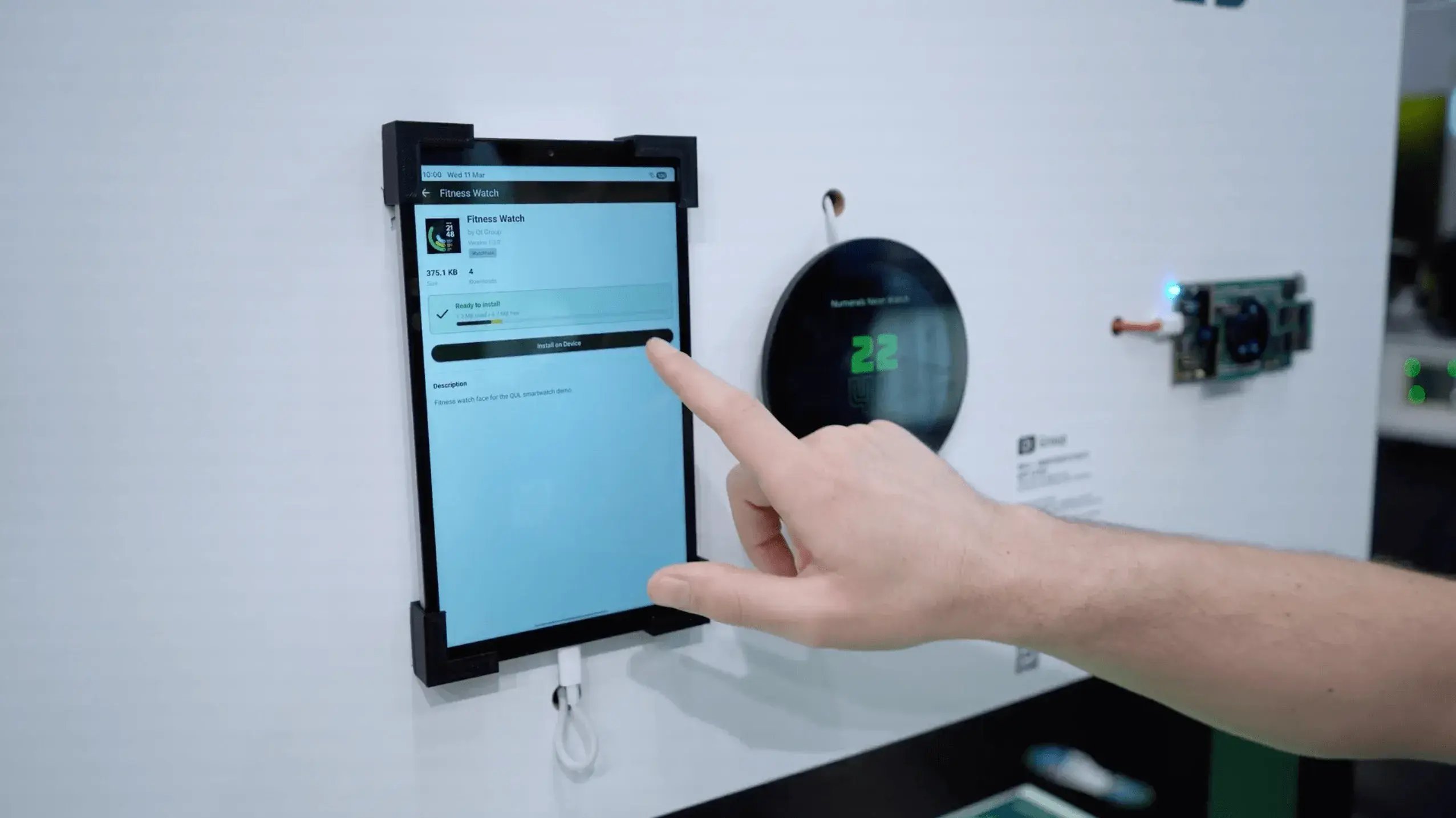
For more information about fixed bugs, please check the Qt for MCUs 2.12.1 change log.
As with other Qt products, Qt for MCUs 2.12.1 LTS can be added to an existing installation by using the maintenance tool or via a clean installation using Qt Online Installer.
The standard support period for the Qt for MCUs 2.12 LTS continues until May 2027.
Blog Topics
Related Articles
Qt for Python Release: 6.12 is here!
Qt for Python 6.12 is here, alongside the Qt 6.12 LTS release. This is the..
Read Article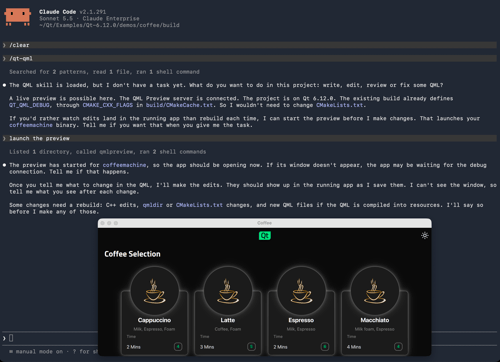
Introducing the QML Live Preview MCP Tool for Agentic Development of Embedded Devices
Agents Edit QML, But Don’t See the Result Without Building, Compiling, and..
Read Article
Qt for MCUs 2.12.3 LTS Released
Qt for MCUs 2.12.3 LTS has been released and is available for download...
Read Article